01
Multi-functional Integration
Coordinate flame retardancy, blackout, acoustic support, hygiene, and durability into one project-aligned fabric system.
 Vikairo Fabrics & Curtains
Functional Curtain Solutions
Functional Curtain Fabric Solutions Overview
This page is the main entry to VIKAIRO’s functional curtain fabric solutions, helping teams compare performance directions before moving into specific product models and project applications.

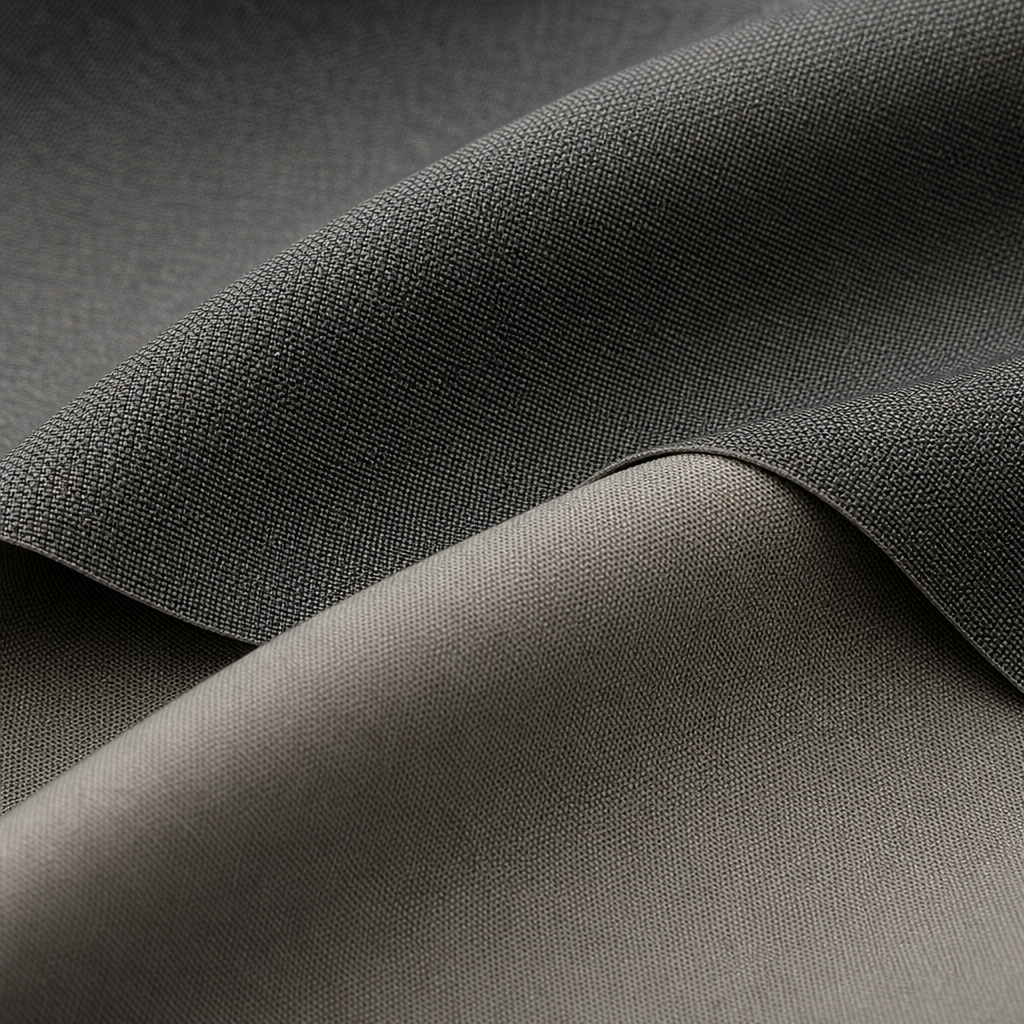
Technical weave detail
Flame Retardant Fabric Classification
This overview is for directional family browsing and evaluation planning. Claims, test pathways, applicable scope, and specification parameters are confirmed per approved product version, project brief, approved technical documentation, and corresponding reports.
Category 01
Yarn-integrated flame-retardant fabric direction for project curtains
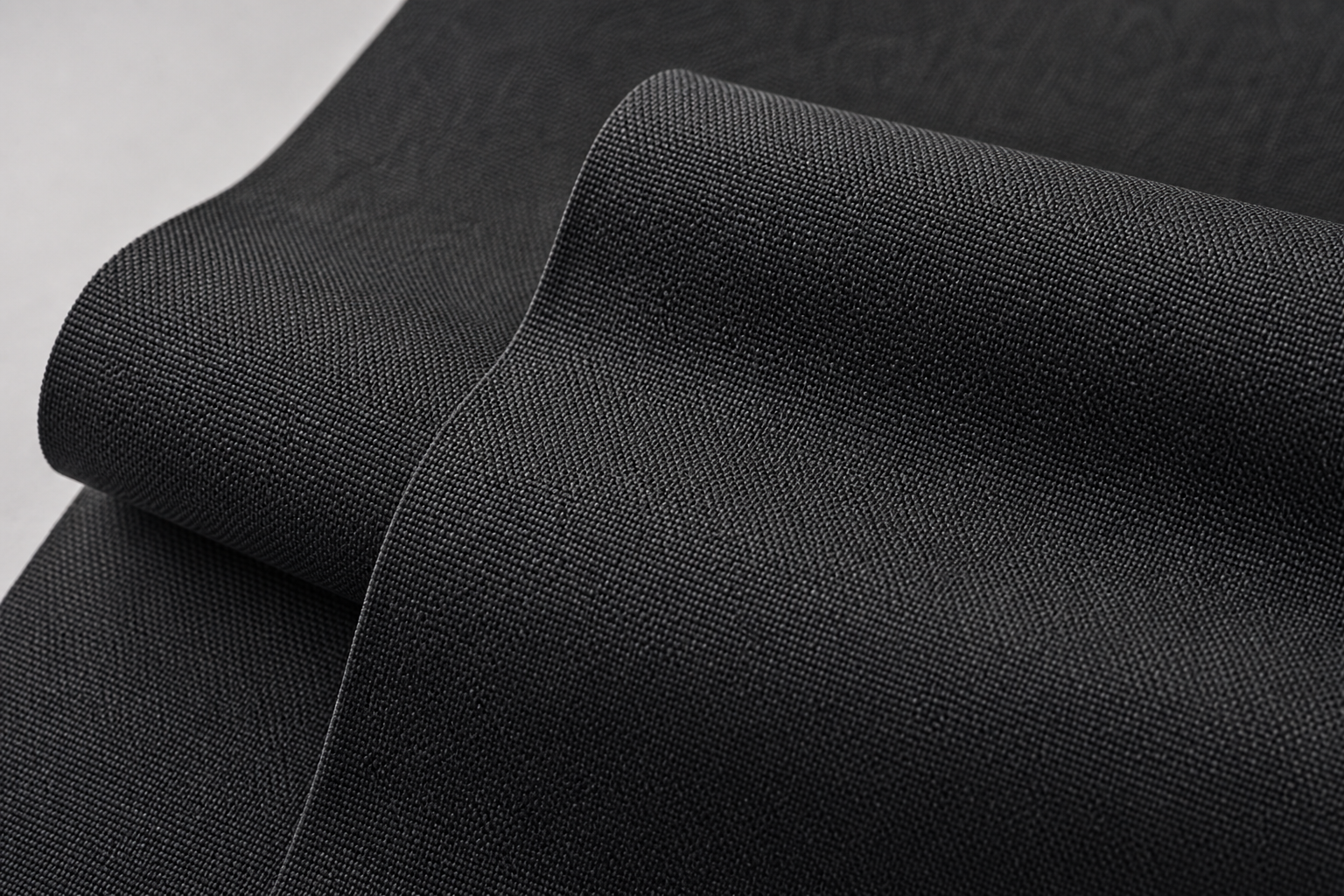
Inherent FR curtain fabric direction for contract use; claim boundaries, test pathways, and specification limits are project-defined against the approved version and linked reports.
View product page

Inherent FR blackout direction for hospitality and public interiors; claims, method routes, and applicable scope remain tied to project brief, approved documentation, and corresponding reports.
View product page
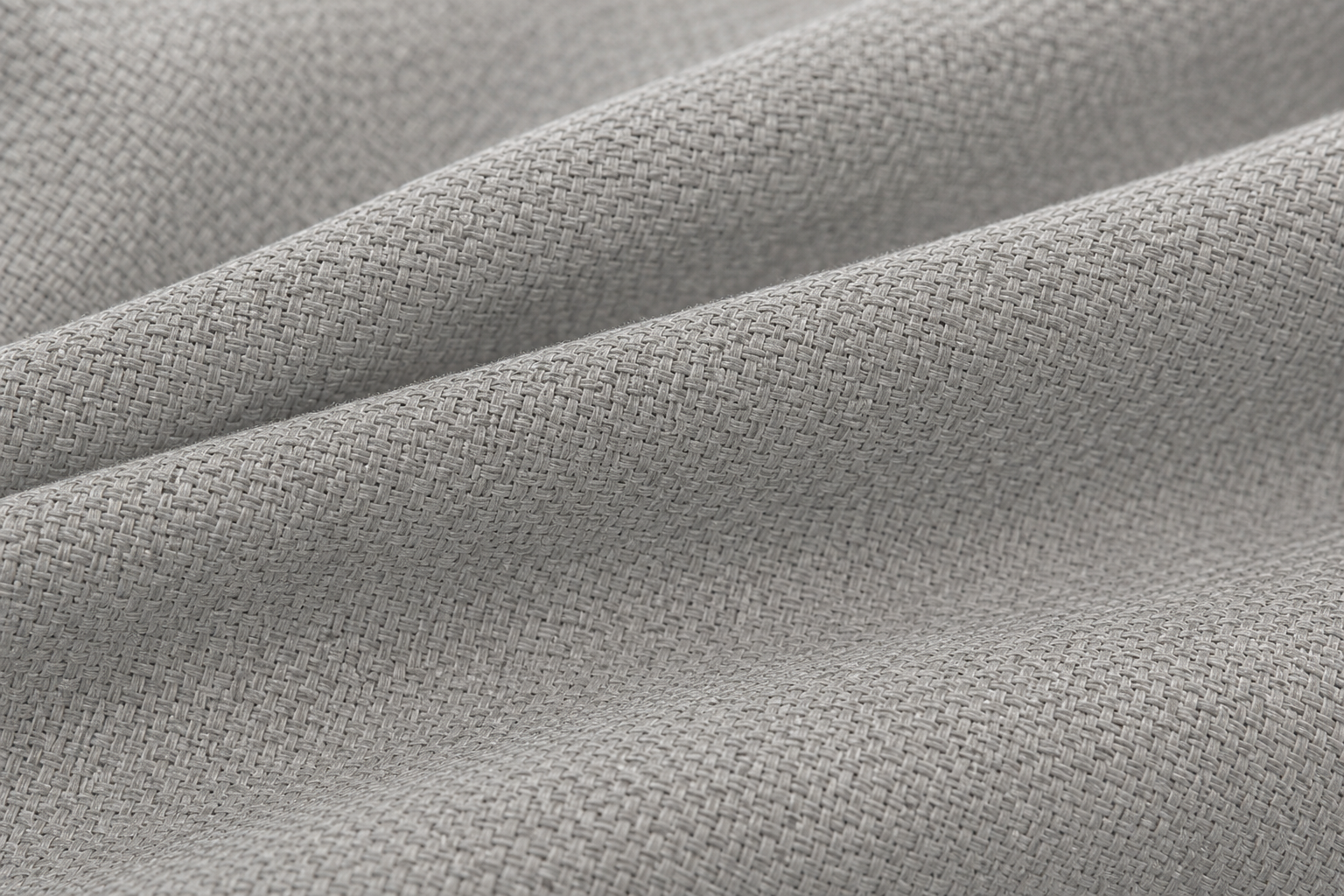
Inherent FR fabric direction with acoustic-comfort positioning for layered curtains; final claim language and specification parameters are validated per approved version and report set.
View product page
Category 02
Engineered flame-retardant treatment direction for contract drapery
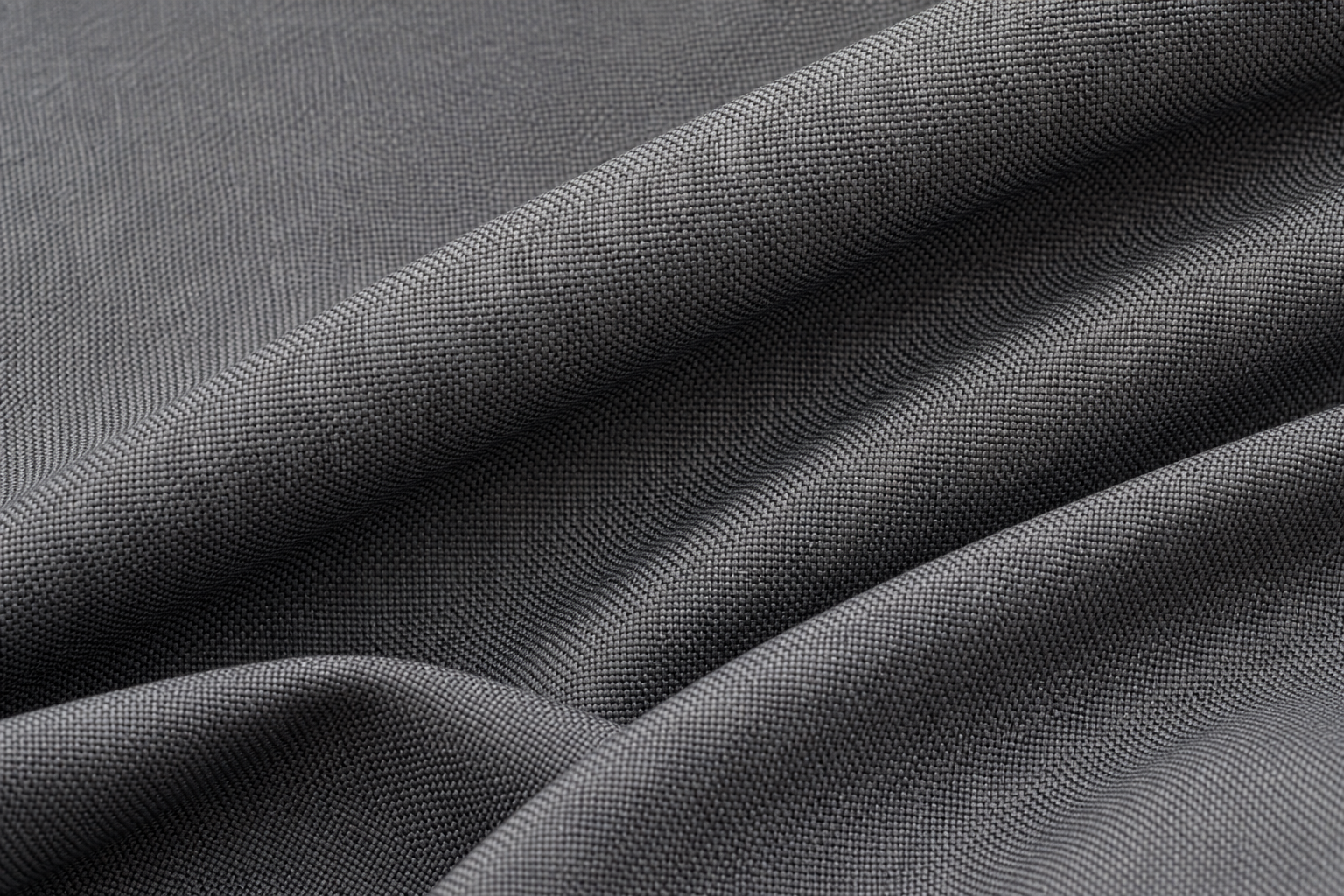
Post-treated FR fabric direction for blackout-oriented programs; performance claims and test pathways are determined by approved product version, project brief, and report-linked documentation.
View product details
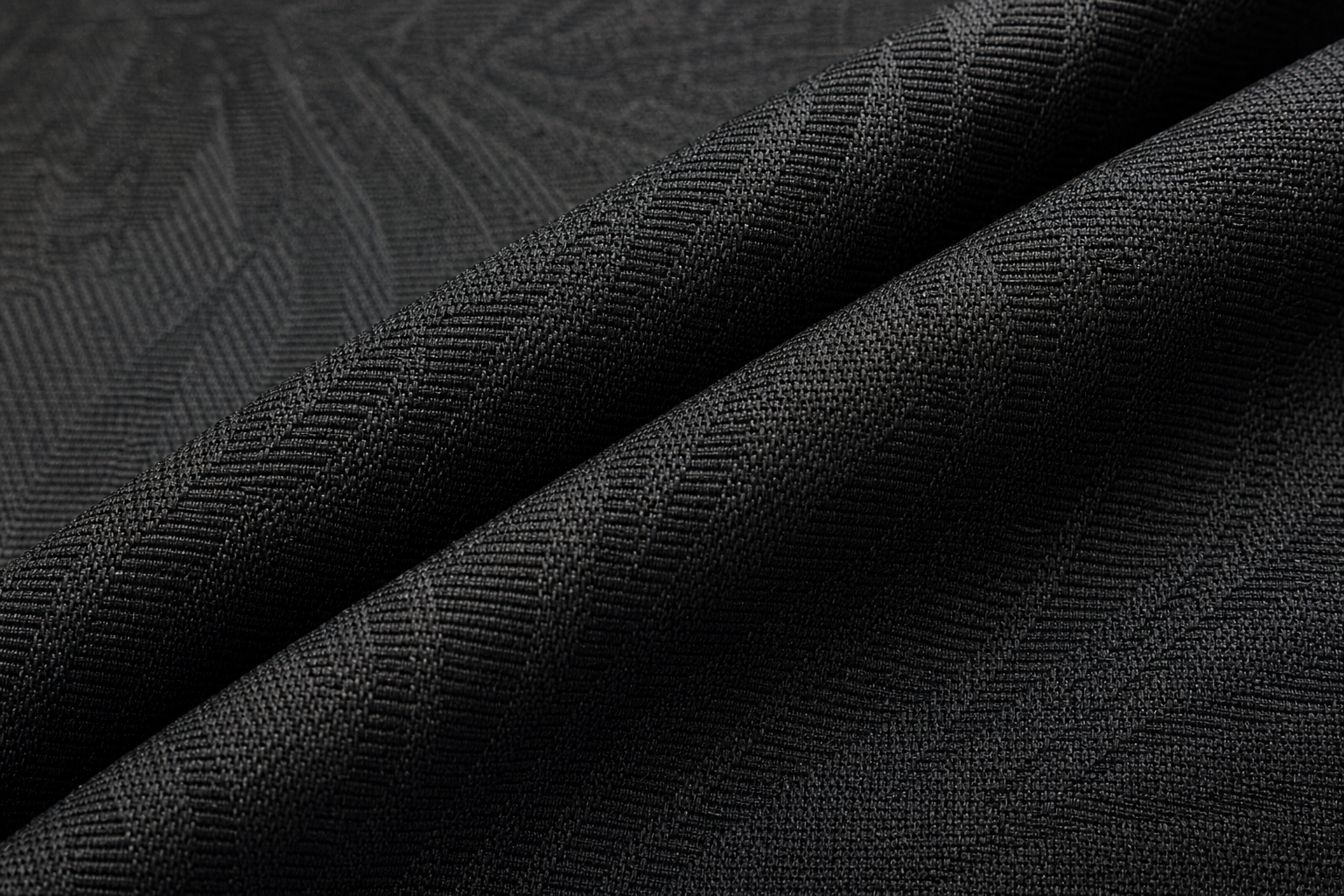
Post-treated FR dimout/blackout direction for contract interiors; applicable scope and specification values follow the approved version, technical file, and corresponding reports.
View product details
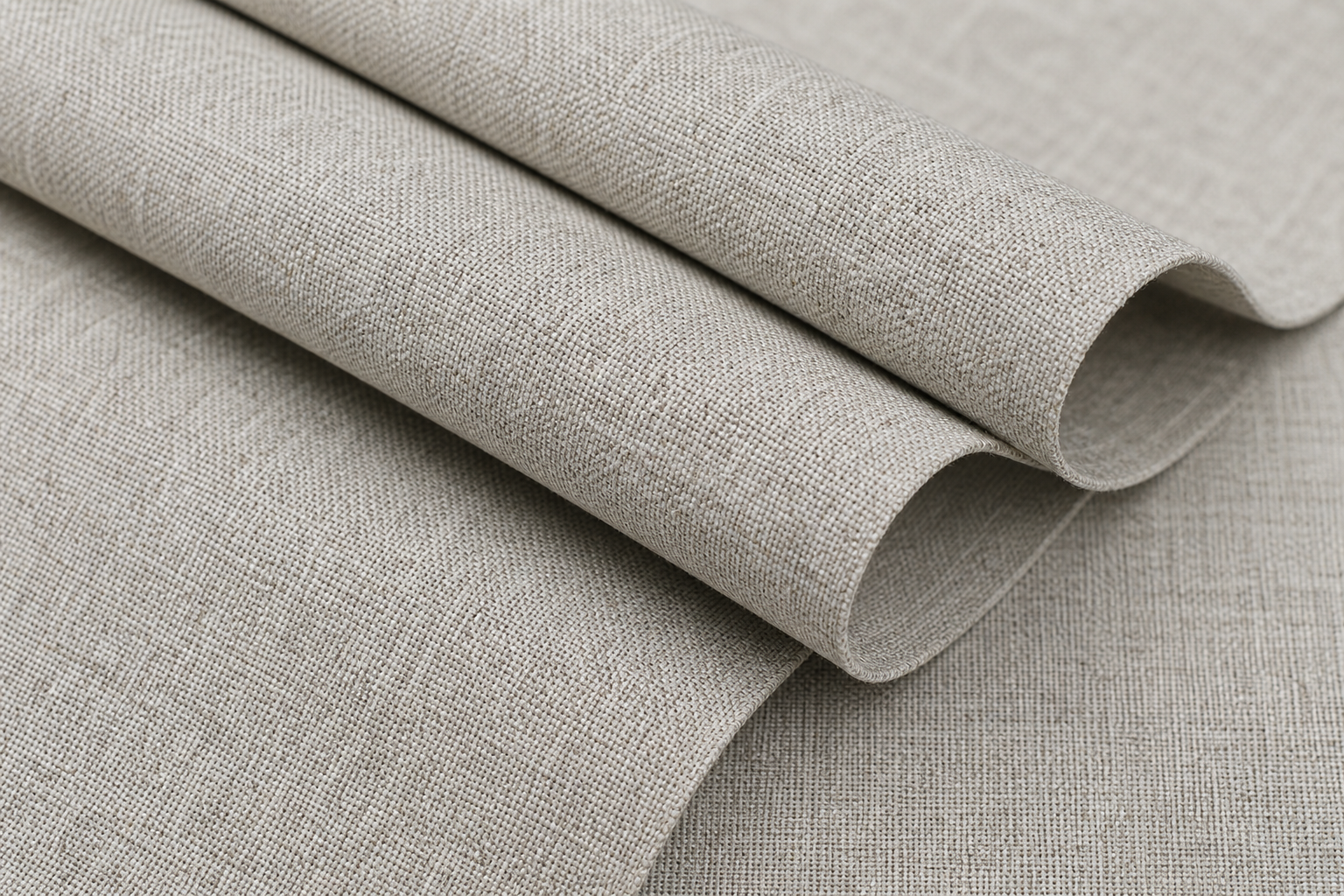
Post-treated FR multifunction direction for daylight/privacy balancing; claims and evaluation routes are project-defined and confirmed through approved technical documentation and reports.
View product details
Category 03
Black-yarn blackout construction direction for light-control projects
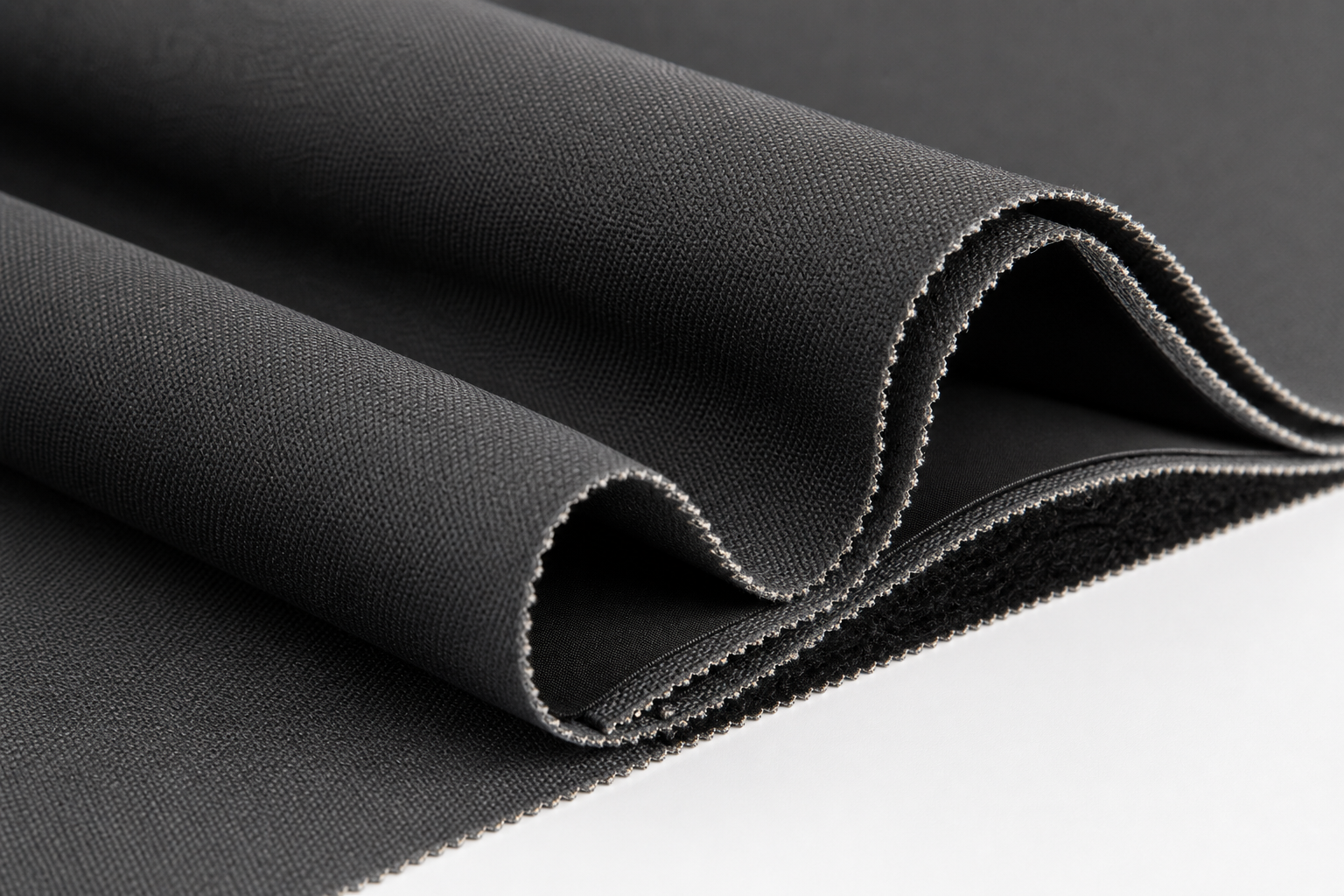
Black-yarn woven blackout direction for guestrooms and contract curtains; final claims and specification limits are established per approved version, project context, and corresponding reports.
View fabric details

Black-yarn satin blackout direction for premium interior drapery; verification pathway, applicable scope, and claim wording depend on approved technical documentation and linked reports.
View fabric details
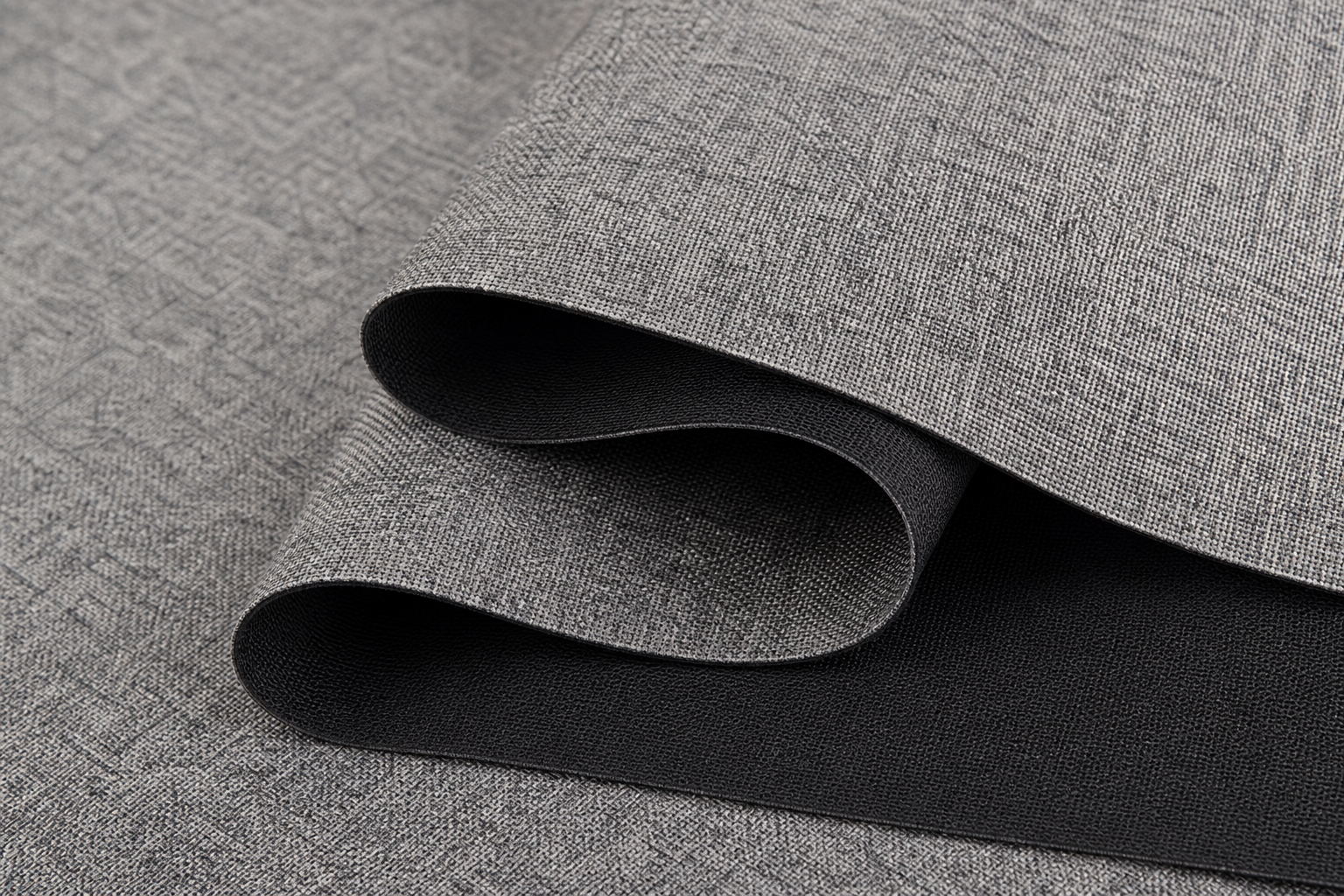
Melange black-yarn blackout direction for balanced design and shading programs; claims, testing methods, and specification parameters remain project-defined and report-linked.
View fabric details
Category 04
Coated blackout construction direction for controlled darkening needs
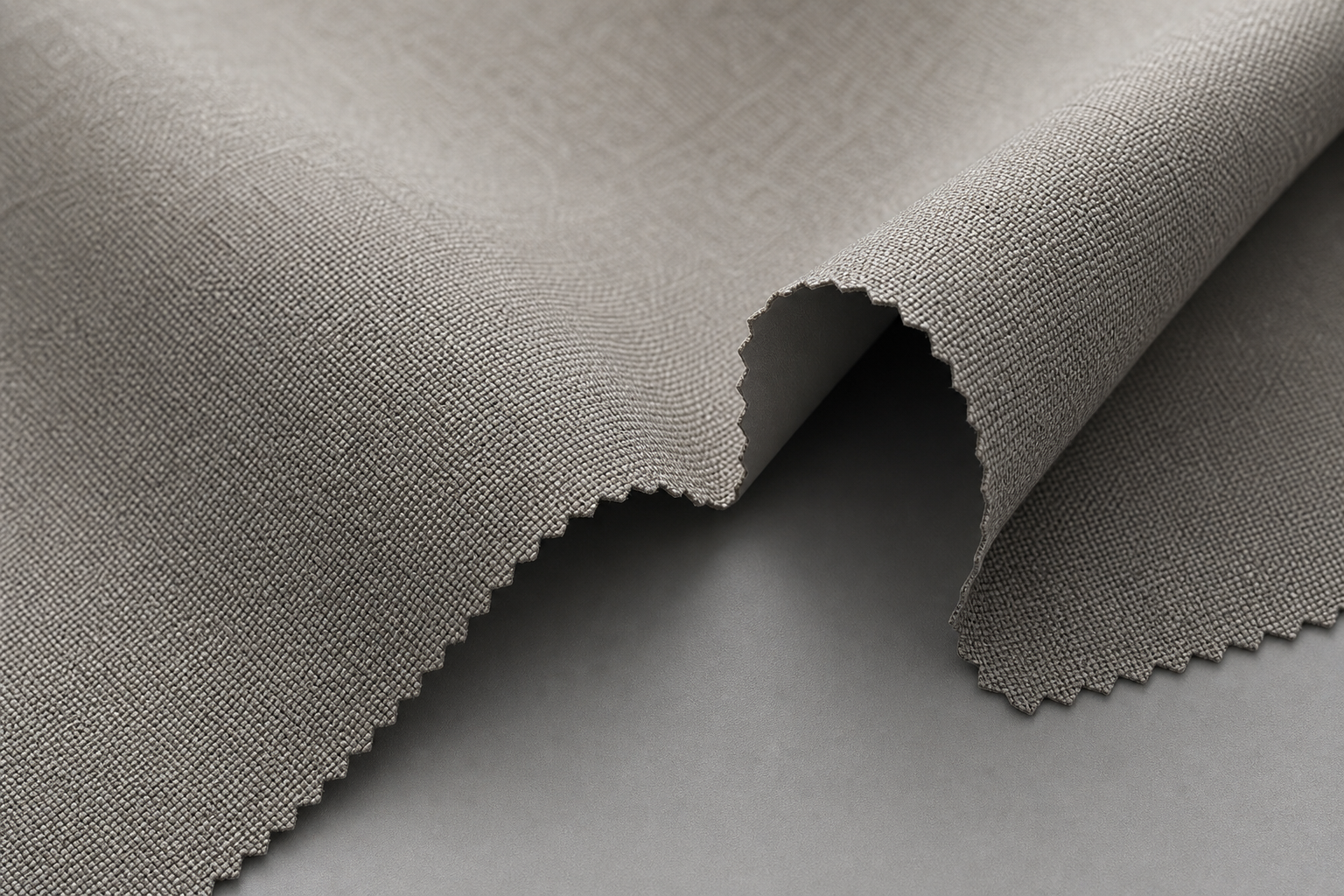
Coated blackout direction for contract guestrooms and residential curtains; claim scope and test pathways are tied to approved product version, project brief, and corresponding reports.
View fabric details
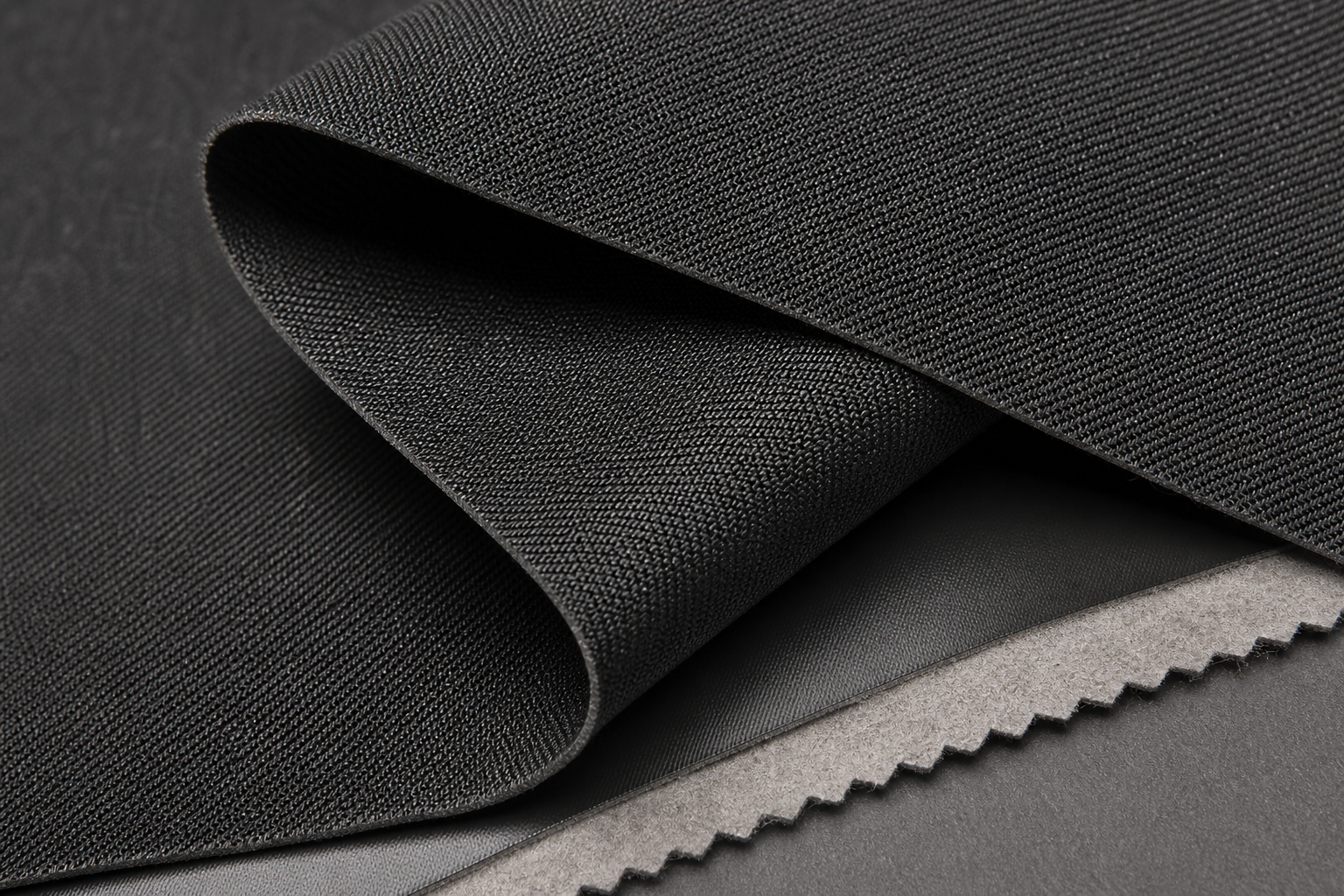
Multi-layer coated blackout direction for stable light-control planning; applicable parameters are confirmed against approved technical files and report-linked evidence.
View fabric details
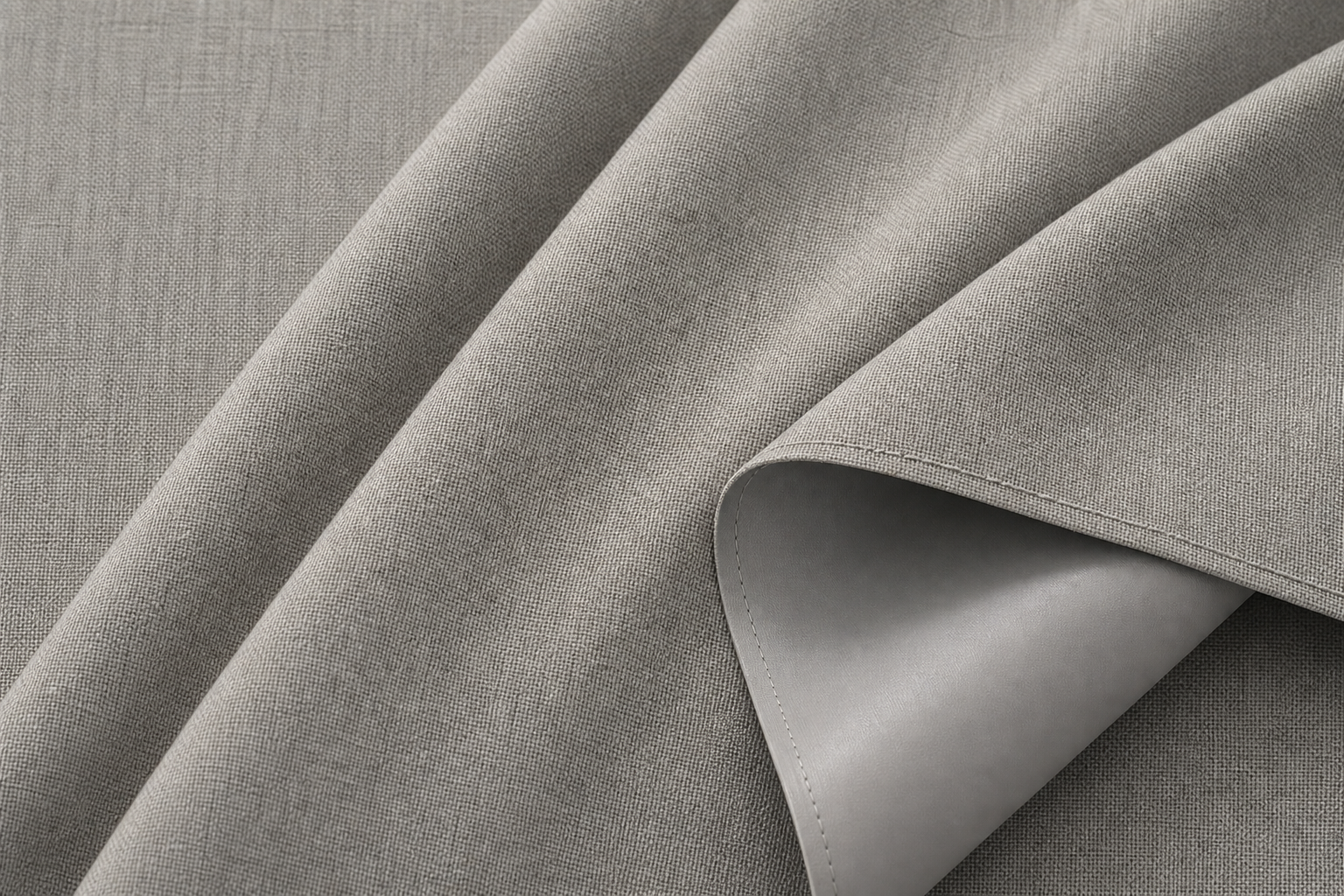
Coated linen-look blackout direction for hospitality and contract drapery; test methods, claim wording, and specification values stay aligned to approved version and reports.
View fabric details
Category 05
Engineered curtain textiles for solar-shading and thermal-comfort direction
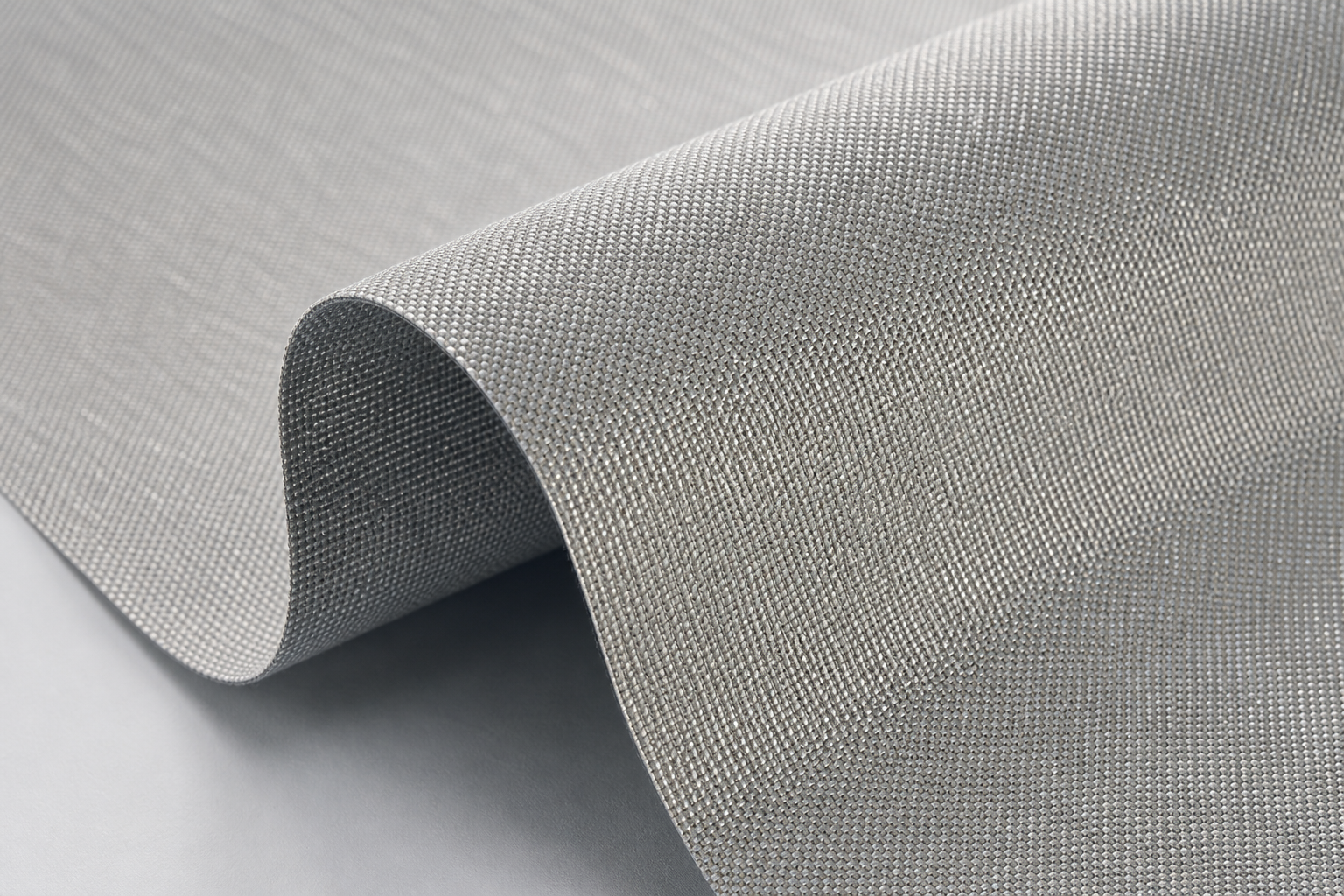
Solar-shading direction with solar-transmission-control evaluation routes for façade-adjacent interiors; claims and specification ranges are set by approved version, project brief, and reports.
View fabric details

Thermal-comfort direction through thermal-insulation construction planning; system-level energy outcomes depend on project conditions and are not implied without project-specific evaluation and reports.
View fabric details
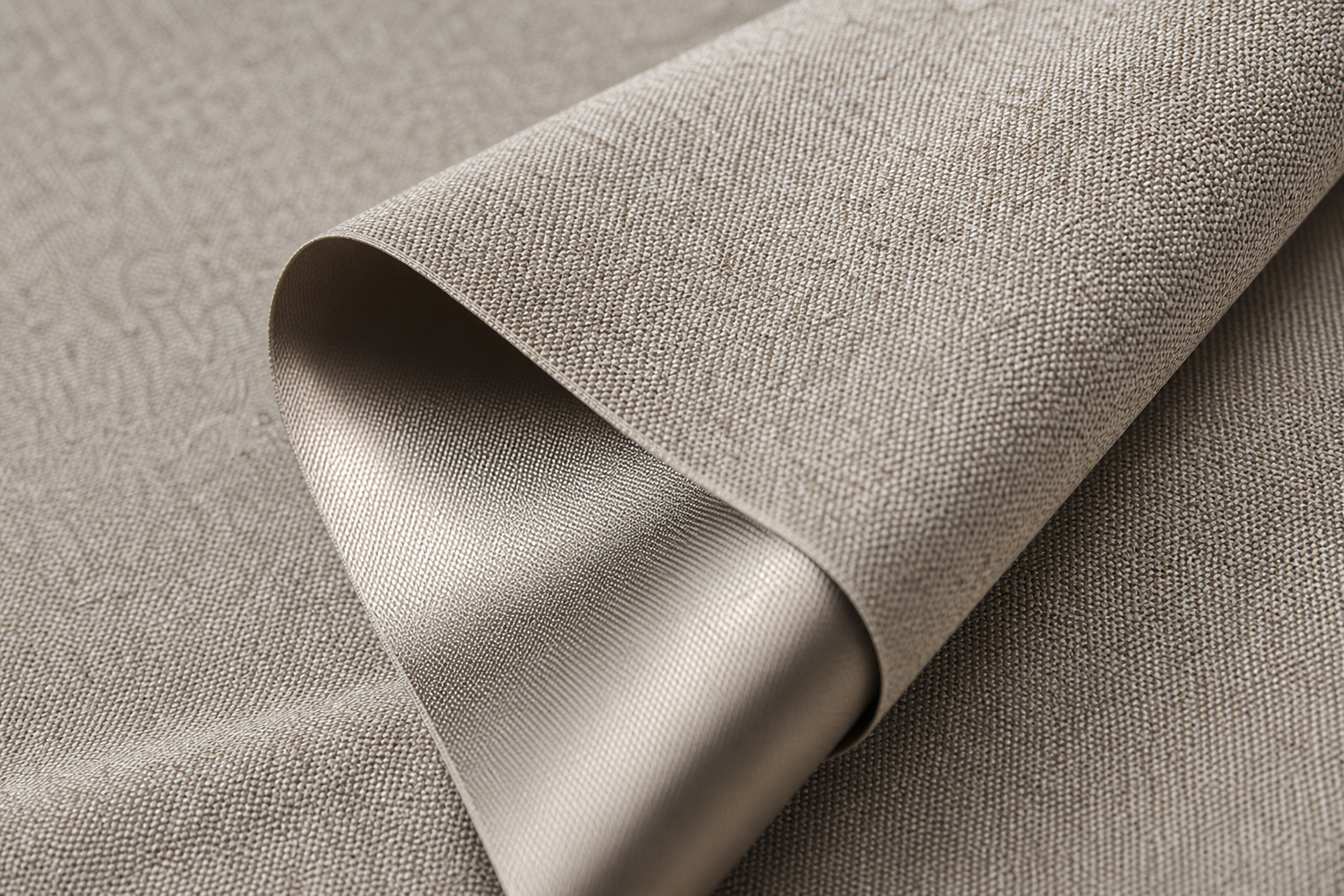
Sun-shading and interior comfort-balancing direction for daylight programs; applicable claims, methods, and specification limits remain project-defined and report-linked.
View fabric details
Category 06
Engineered drapery textiles for interior acoustic comfort direction
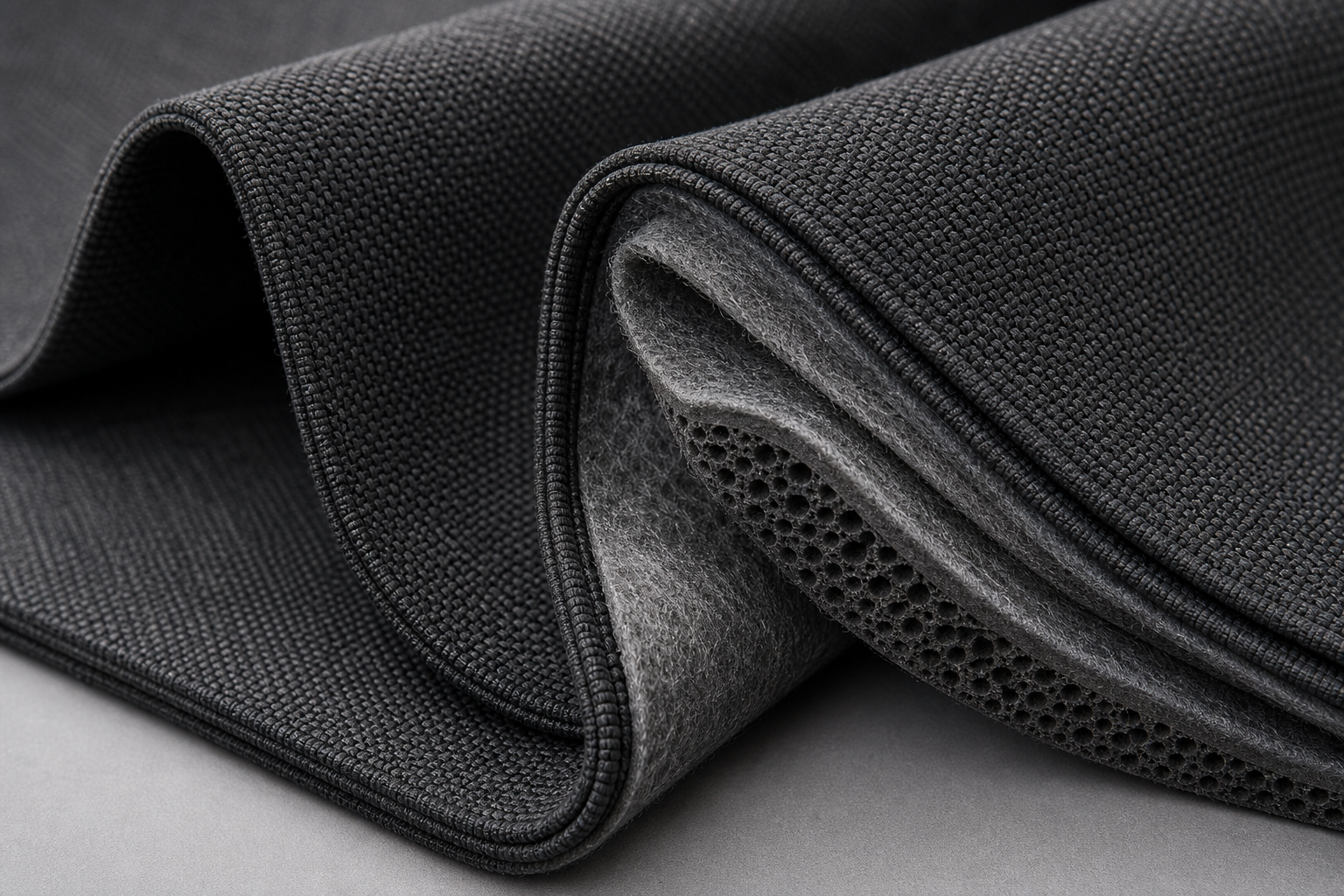
Acoustic-comfort direction with absorption and reverberation-control evaluation routes; this framing is distinct from standalone sound-insulation claims and is validated per approved reports.
View fabric details

Textured acoustic drapery direction for hospitality and workspace interiors; applicable metrics, methods, and claim scope are project-defined through approved technical documentation and reports.
View fabric details
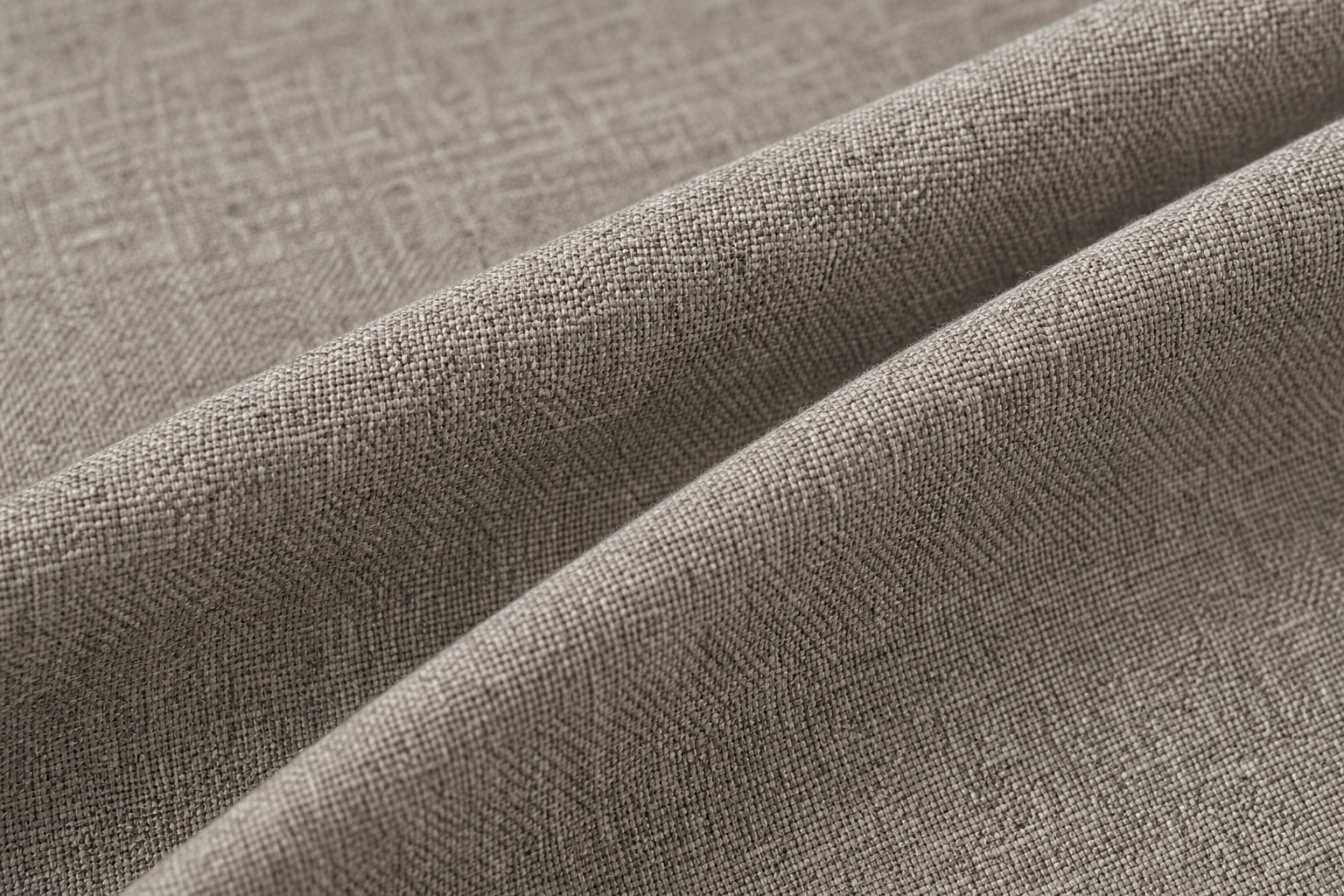
Melange acoustic-comfort direction for speech-privacy oriented interiors; final claims and specification parameters depend on approved version, project brief, and corresponding reports.
View fabric details
Category 07
Hygiene-focused curtain textiles with report-linked evaluation logic
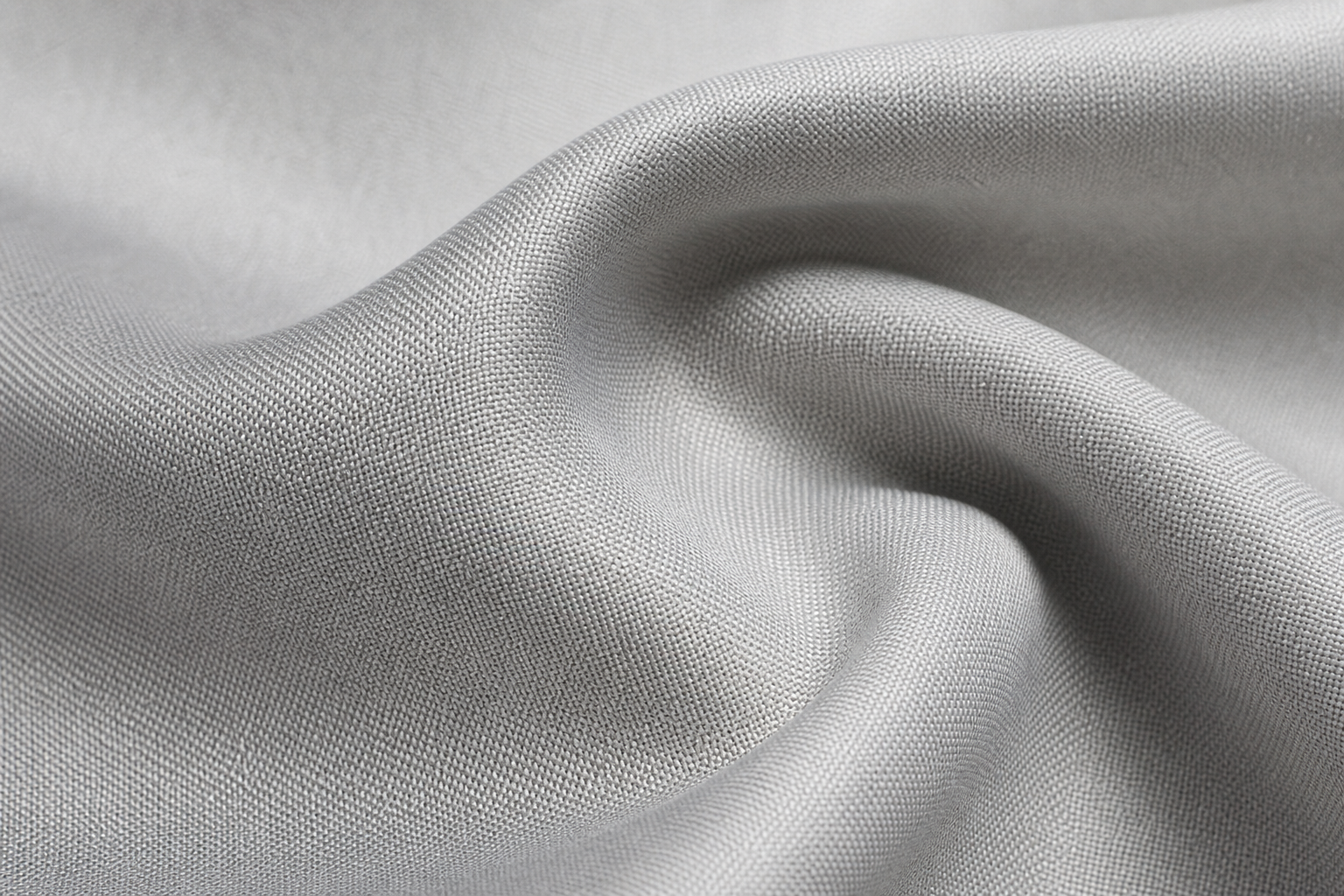
Antibacterial direction for hygiene-focused interiors; microorganism set, test method, conditioning, and reported result range are defined by the approved version and corresponding reports.
View fabric details
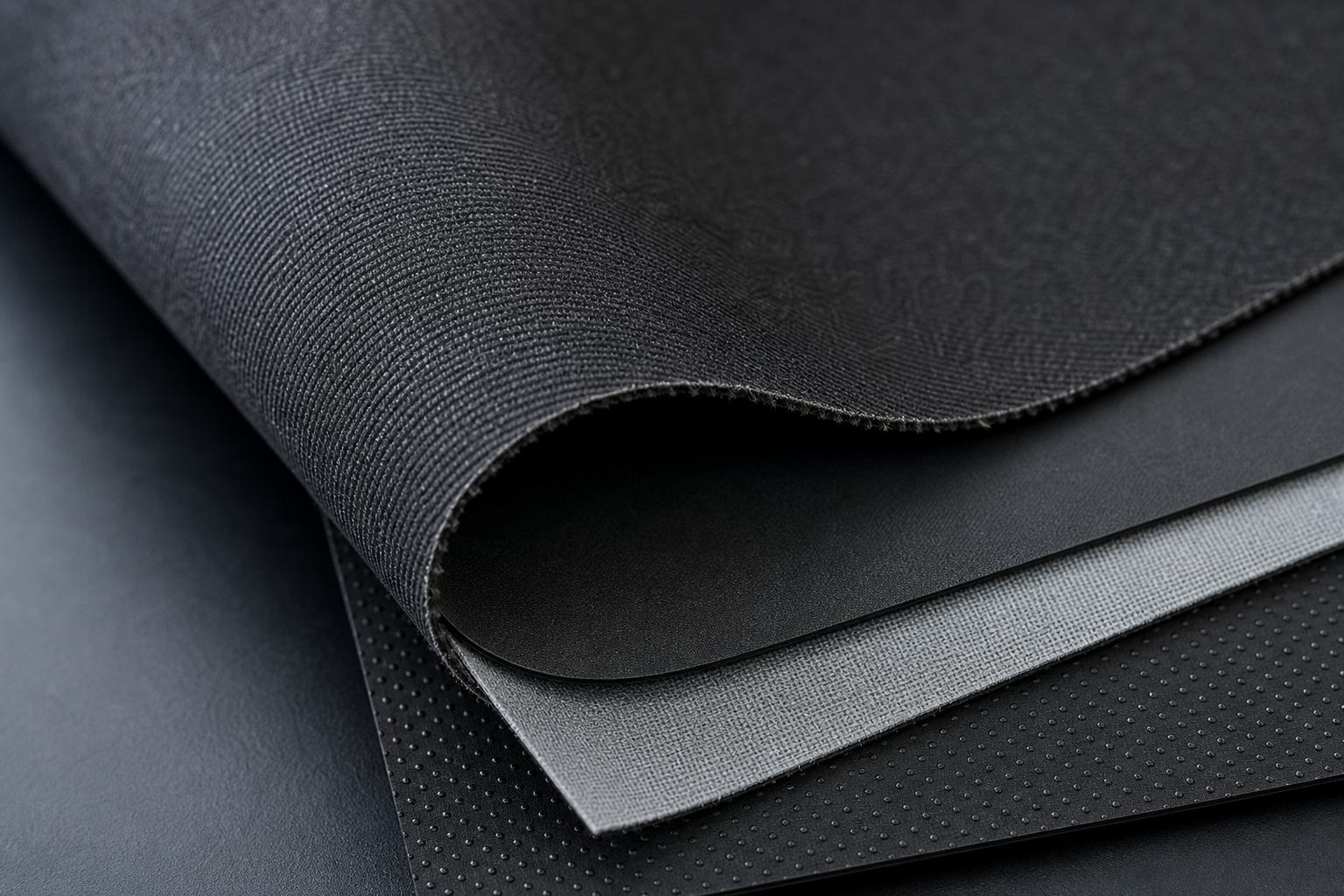
Antibacterial blackout direction for maintenance-oriented contract interiors; coverage scope, method route, and wash/disinfection condition relevance must be read from approved documentation and reports.
View fabric details
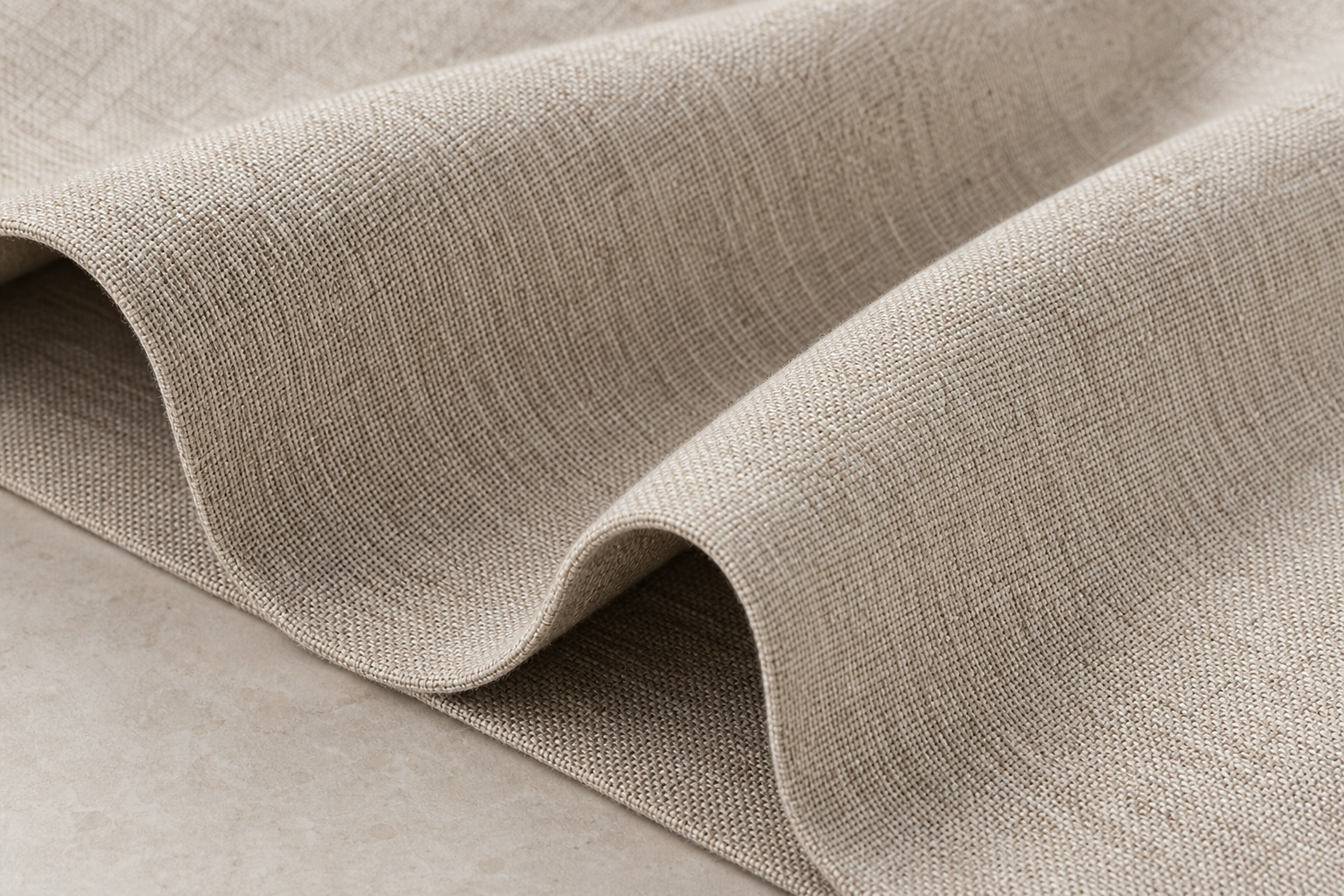
Antibacterial melange direction for cleaner-touch commercial drapery; claims and specification limits are project-defined and interpreted through approved technical files and report evidence.
View fabric details
Category 08
Protective-finishing direction with separated evaluation routes

Three-proof direction for high-traffic interiors, with repellency, oil-resistance, stain-release, and cleanability assessed through separate evaluation pathways defined in approved reports.
View fabric details
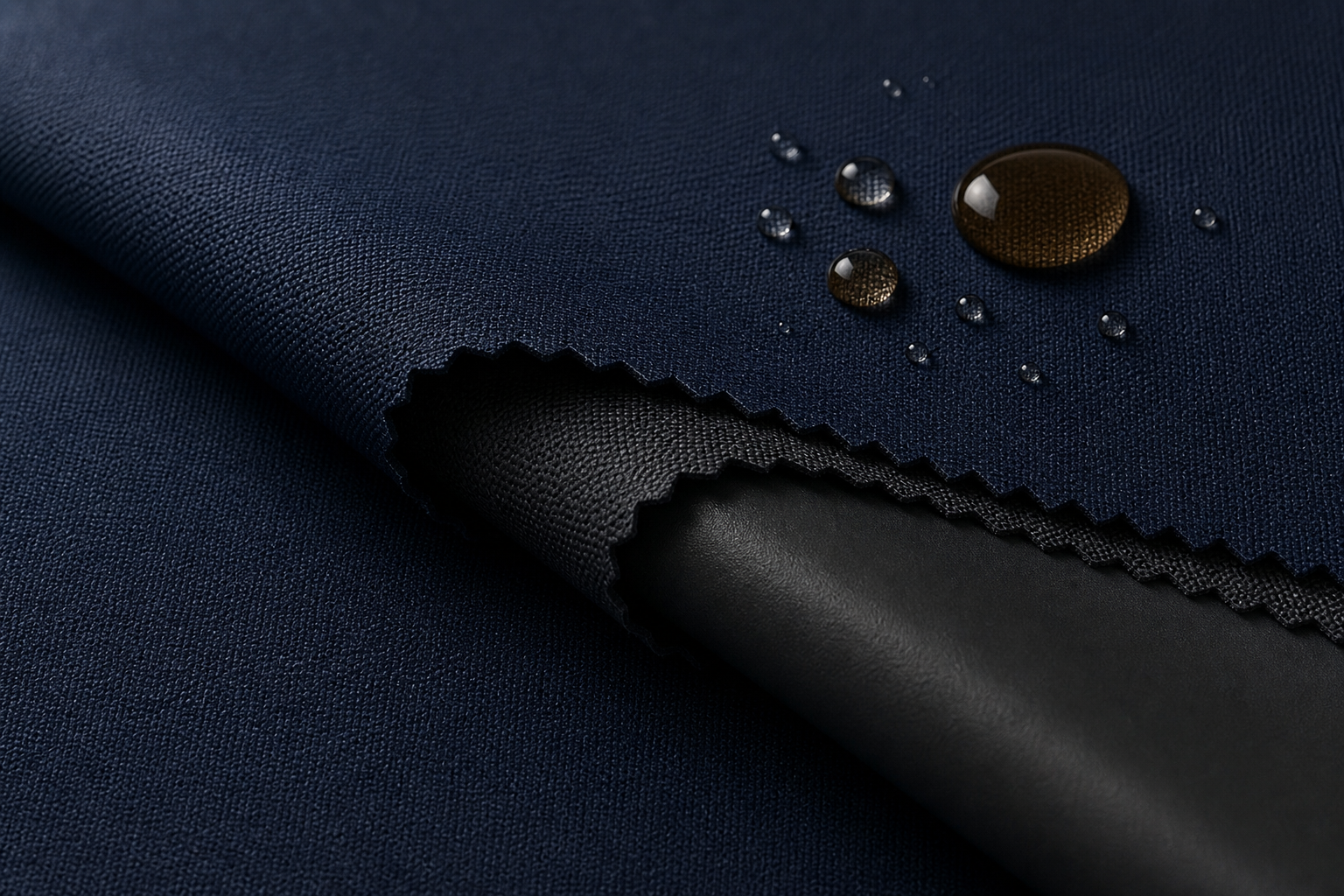
Three-proof blackout direction for cleaning-cycle-oriented applications; applicable claims are route-specific and depend on approved product version, test method selection, and report scope.
View fabric details
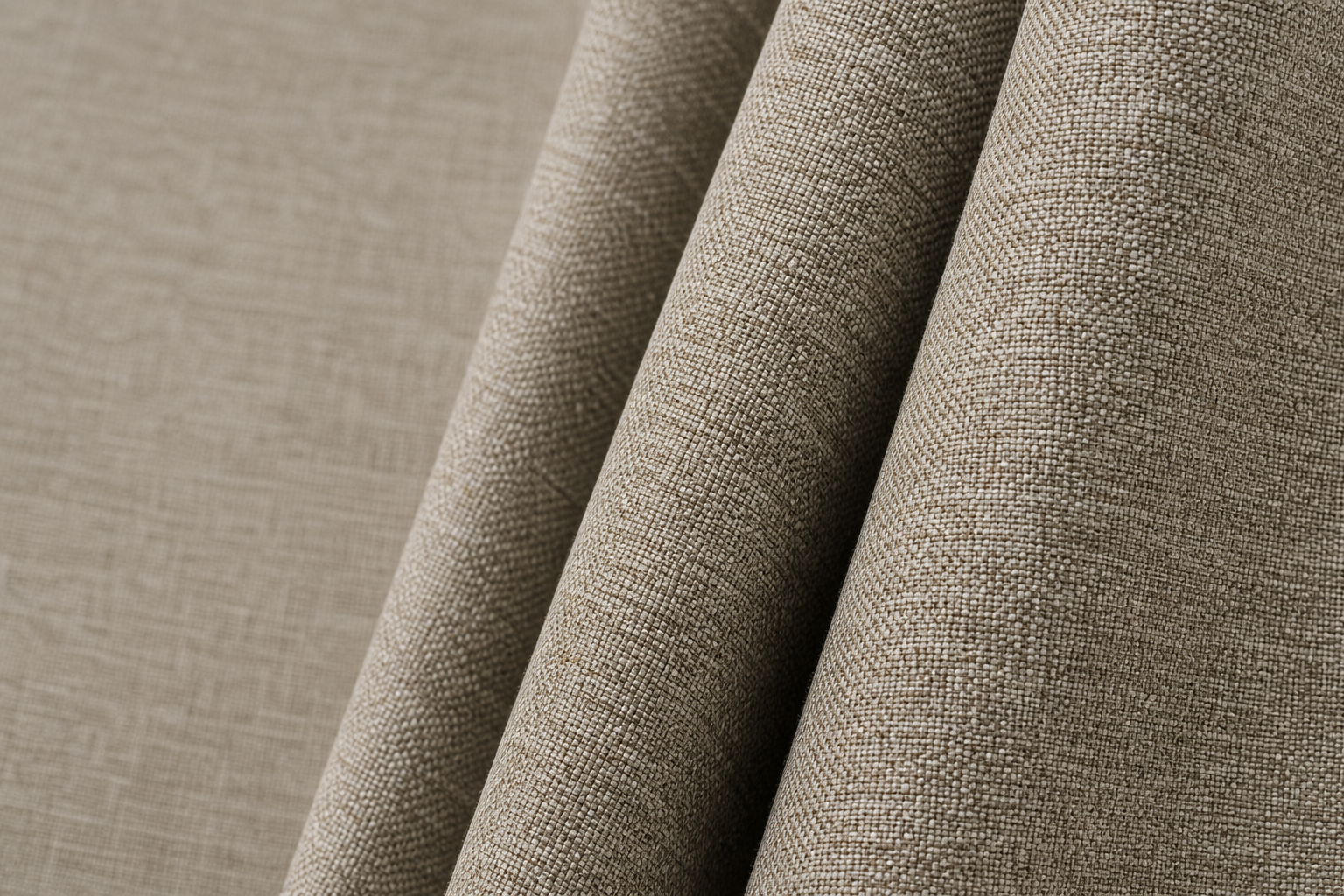
Textured three-proof direction for commercial durability planning; repellency, oil-resistance, stain-release, and cleanability conclusions remain project-defined and report-linked.
View fabric details
Category 09
Reinforced wear-focused textile direction with separate snag-risk framing
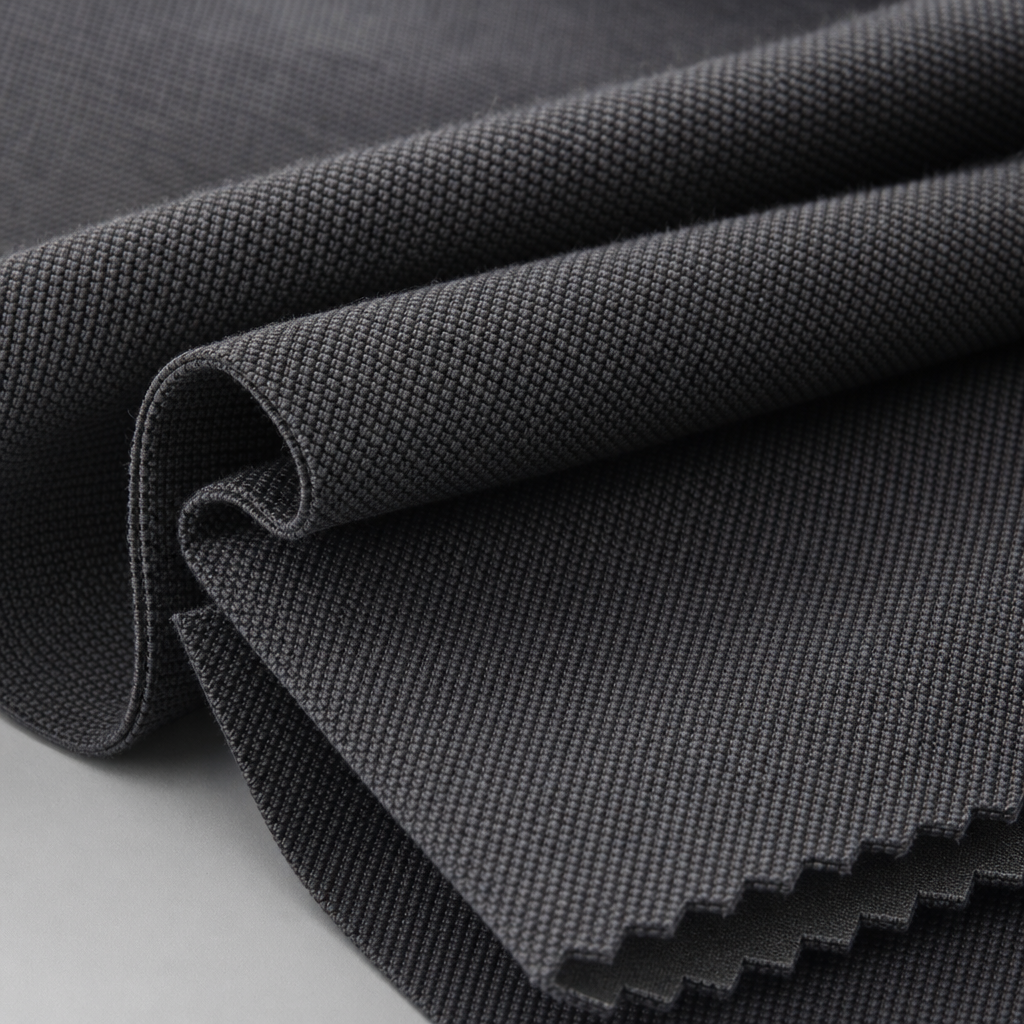
Reinforced abrasion-resistant direction with enhanced snag-resistance framing for hospitality and residential curtains; claim scope and test routes are defined by approved version and reports.
View fabric details
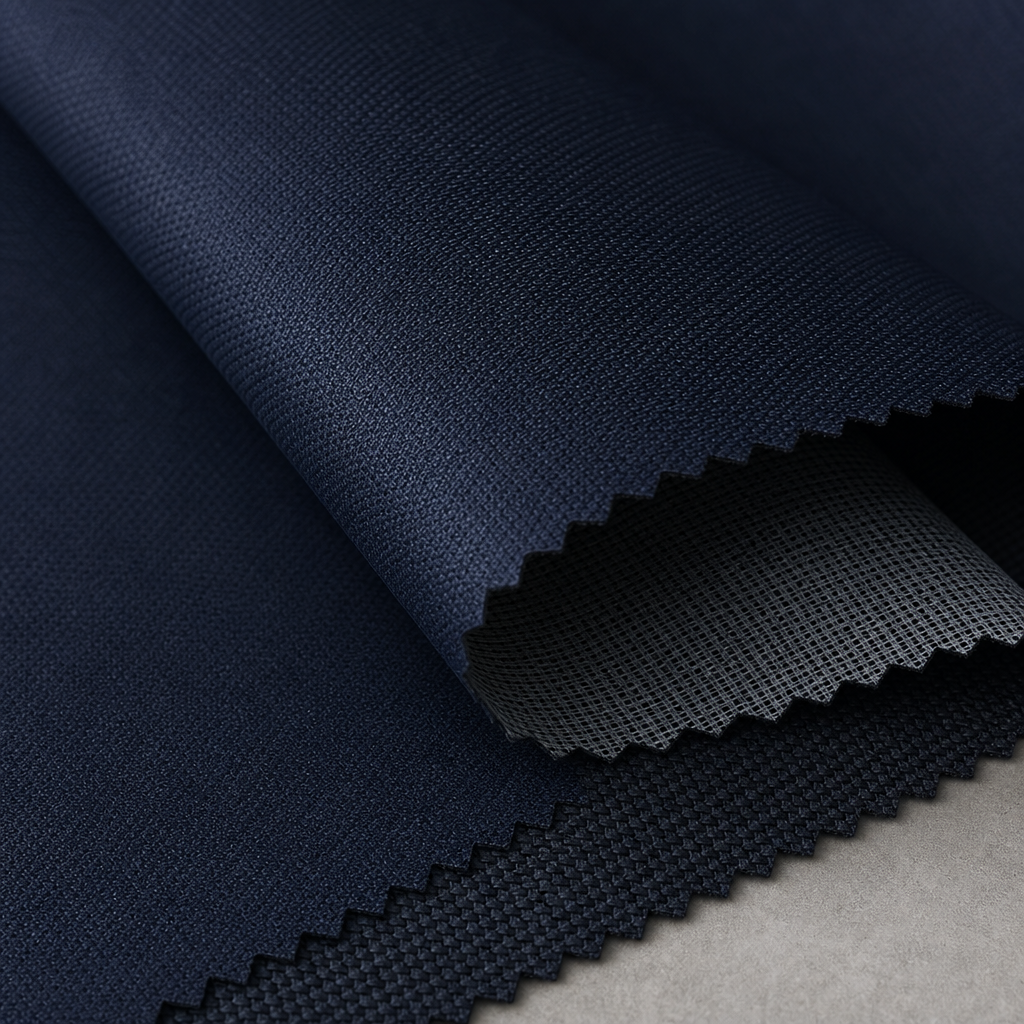
Layered reinforced durability direction for high-traffic interiors; abrasion and snag-related evaluations follow separate methods and are interpreted per approved technical documentation.
View fabric details
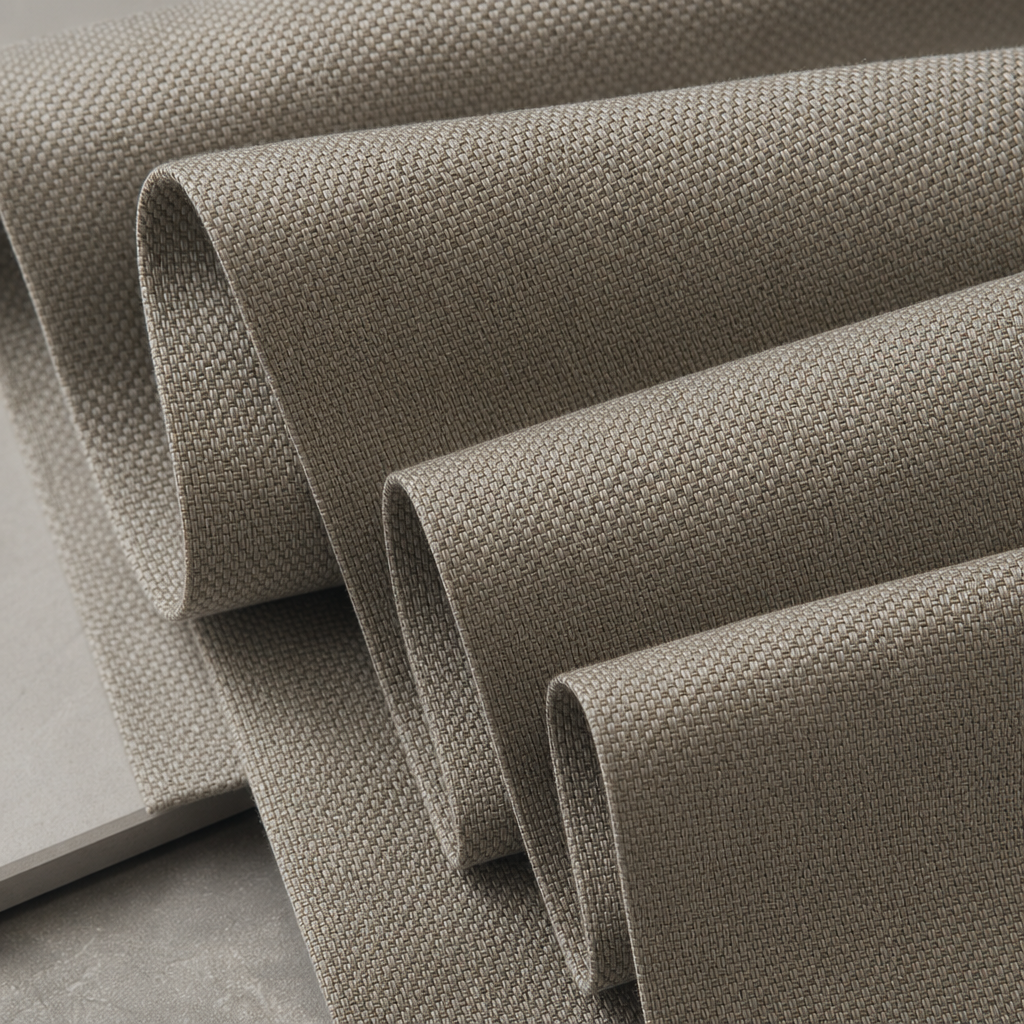
Reinforced textured durability direction for guestrooms and lounge curtains; applicable claims, limits, and specification parameters remain project-defined and report-linked.
View fabric details
Built for international project delivery
Six practical advantages that help procurement, design, and engineering teams align decisions and execute with confidence.
Coordinate flame retardancy, blackout, acoustic support, hygiene, and durability into one project-aligned fabric system.
Support material development, color systems, pattern direction, and performance tuning according to project briefs.
Use structured checkpoints from yarn sourcing through weaving, finishing, and final inspection to support consistent delivery.
Recommend fabric directions based on application type, climate conditions, and target fire or safety specifications defined by project teams.
Integrate high-capacity fabric production with custom finished curtain manufacturing to support coordinated project execution.
Assist market-oriented project development across Europe, North America, and other international programs through structured coordination support.
Testing Direction Matrix
This matrix defines testing directions and method routes only. It is used to plan how claims may be substantiated by product version, target market, application scope, and required reports. It does not mean all six tests are already completed for all products.
Module Framework
06 directions
Route Design
Claim-focused
Documentation Fit
Scope-aligned

This route evaluates fabric-level light transmission and blackout behavior under defined methods. Installed-window outcomes are a different level and depend on system design, lining, seams, track geometry, and site conditions.
Used to select fire-test methods and criteria by market, product version, and end use. Final compliance claims require approved standards, pass reports, and the exact supplied construction—not automatic transfer across all series.
Applied to define color fastness methods (light, rubbing, washing, or related conditions) for the intended application. Claim language is then limited to tested conditions, rating scales, and approved report scope.
This direction covers abrasion or wear resistance only under specified methods and cycles. Snag resistance or pet-friendly performance is a separate direction and must be declared and validated independently, not assumed as equivalent.
Route planning separates three levels: fabric thermal behavior, solar transmission control, and whole-system energy outcome. System energy savings cannot be directly inferred from a single fabric test without installation and building-level modeling inputs.
Validation must specify the organism, test method, contact condition, wash condition, approved product version, and linked report set. Claims are limited to those exact boundaries and do not auto-apply to all variants.
Custom Development & Technical Support
A structured project-development workflow that coordinates application needs, technical review points, and production planning for curtain fabric programs.
Step 01
Map application context, target performance priorities, and budget parameters to align early specification discussions.
Step 02
Coordinate customized functional fabric development around target metrics, aesthetic direction, and project review requirements.
Step 03
Provide selection and application coordination support to help teams evaluate options and plan practical implementation paths.
Step 04
Coordinate project-scale customization and execution planning for bulk manufacturing programs under defined specifications.
Project Data Sheet
This block is a series-level planning reference for early technical alignment. It is not a fixed order datasheet; final values and claim wording are confirmed only by approved model, project specification path, and formal approval documentation.
Technology & Sustainability
Engineered fabric systems and responsible production standards designed for project-grade curtain performance.
Applications
From hospitality to healthcare and commercial projects, VIKAIRO supports specification planning with common functional priorities that help teams balance safety, comfort, privacy, and long-term operational goals by application type.
Specification Planning Focus
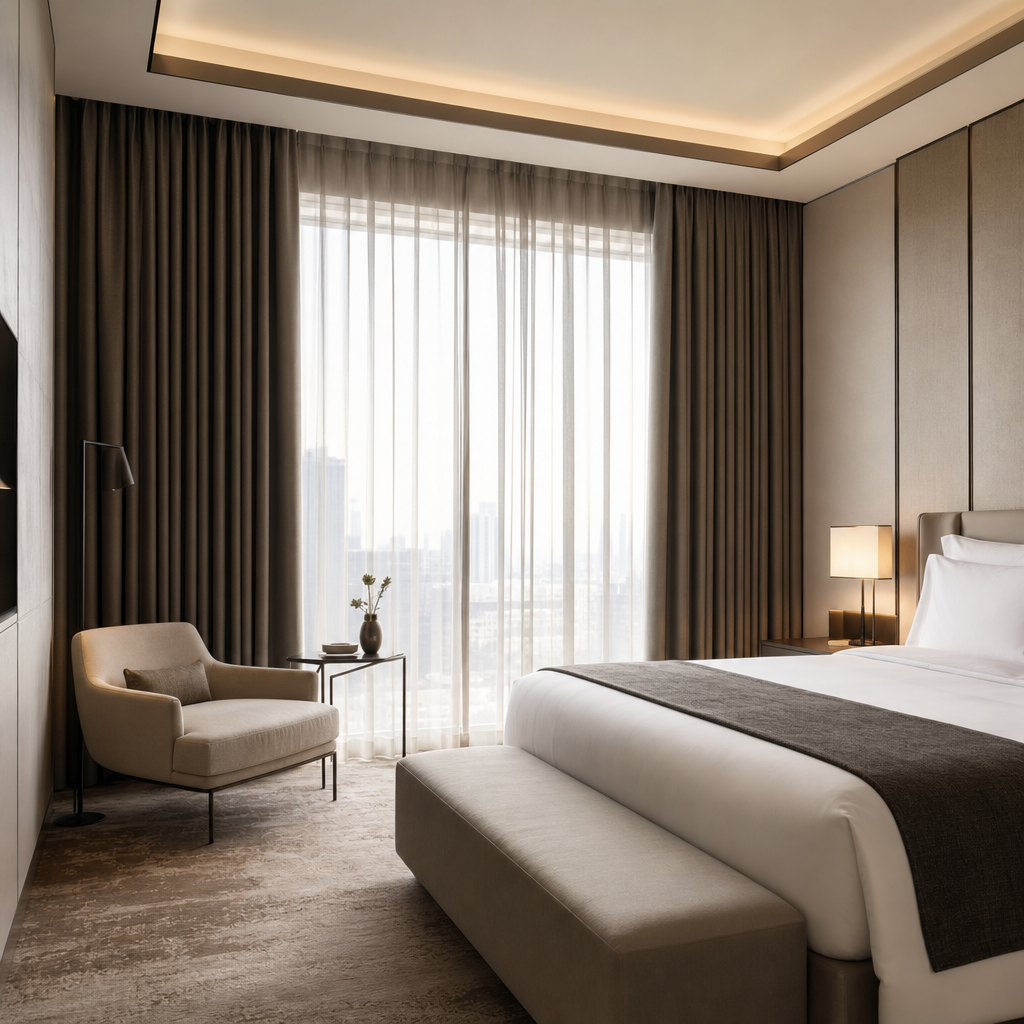
Hospitality
Used as selection-planning guidance for guest-room programs: teams commonly prioritize sleep comfort, code pathway alignment, and thermal-acoustic targets. Final performance claims depend on the selected article, construction version, test path, and documentation set.
Function Combination
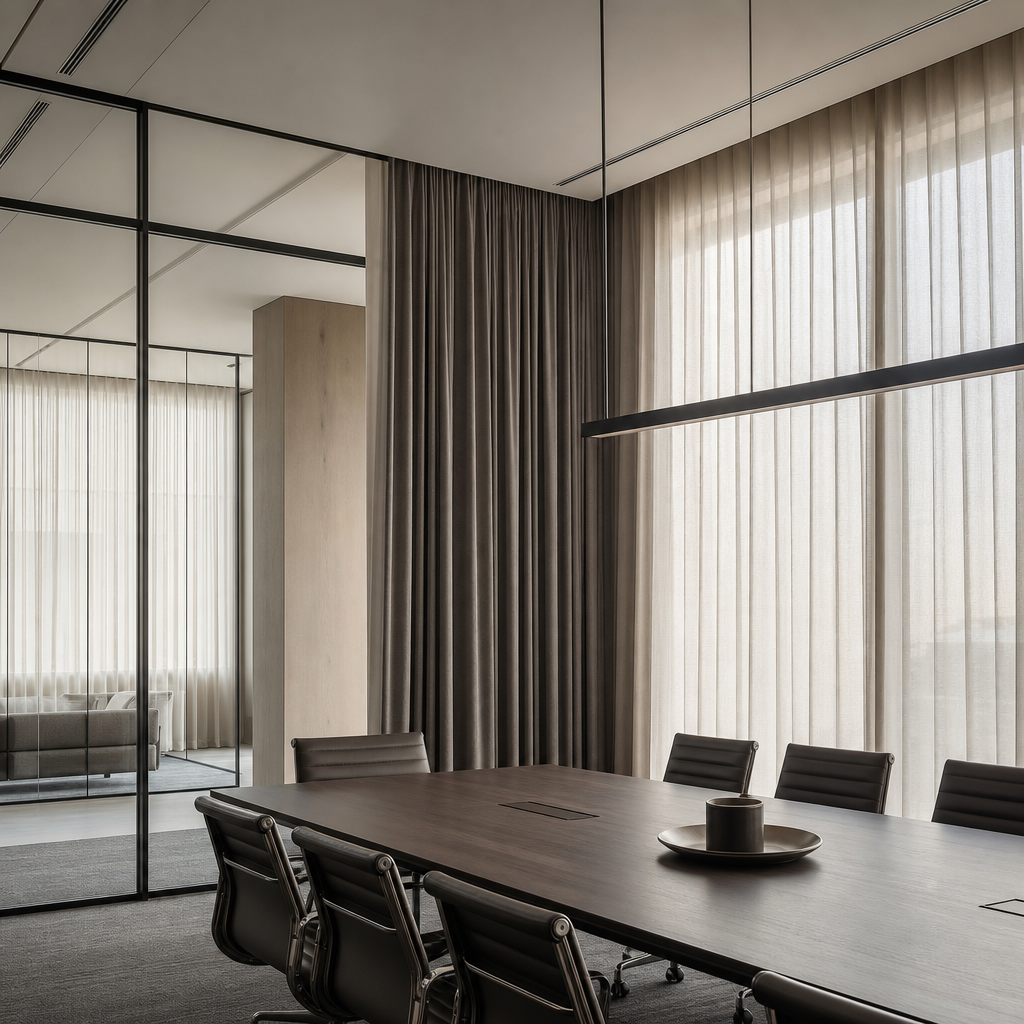
Workplace
For workplace selection planning, common priorities include visual comfort, privacy zoning, and maintenance durability. Solar-control or acoustic outcomes are target directions only and are confirmed by the chosen model, construction version, test route, and supporting reports.
Function Combination
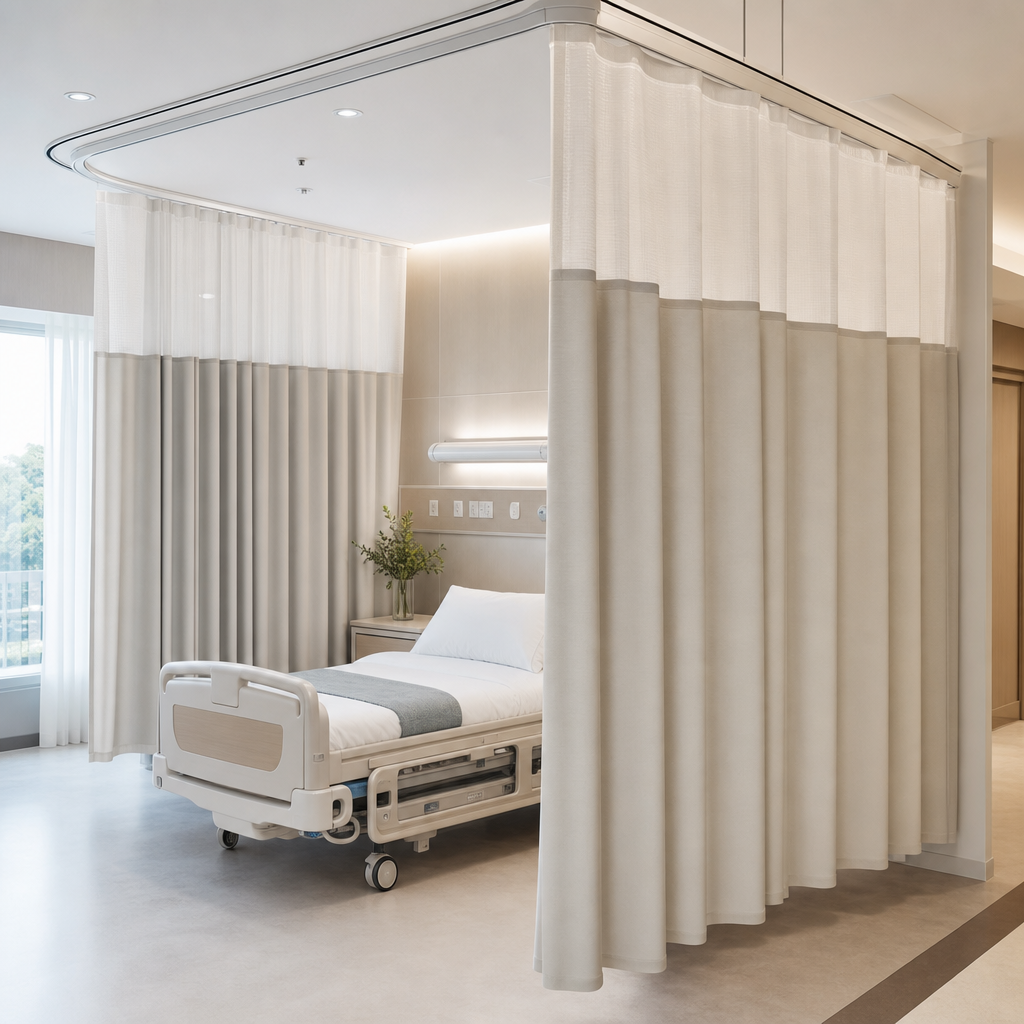
Healthcare
This card indicates typical healthcare specification priorities—hygiene protocol support, privacy management, and reliable daily operation. Antibacterial, blackout, or easy-care claims are not default conclusions; they depend on selected SKU, construction version, test path, and documentation package.
Function Combination
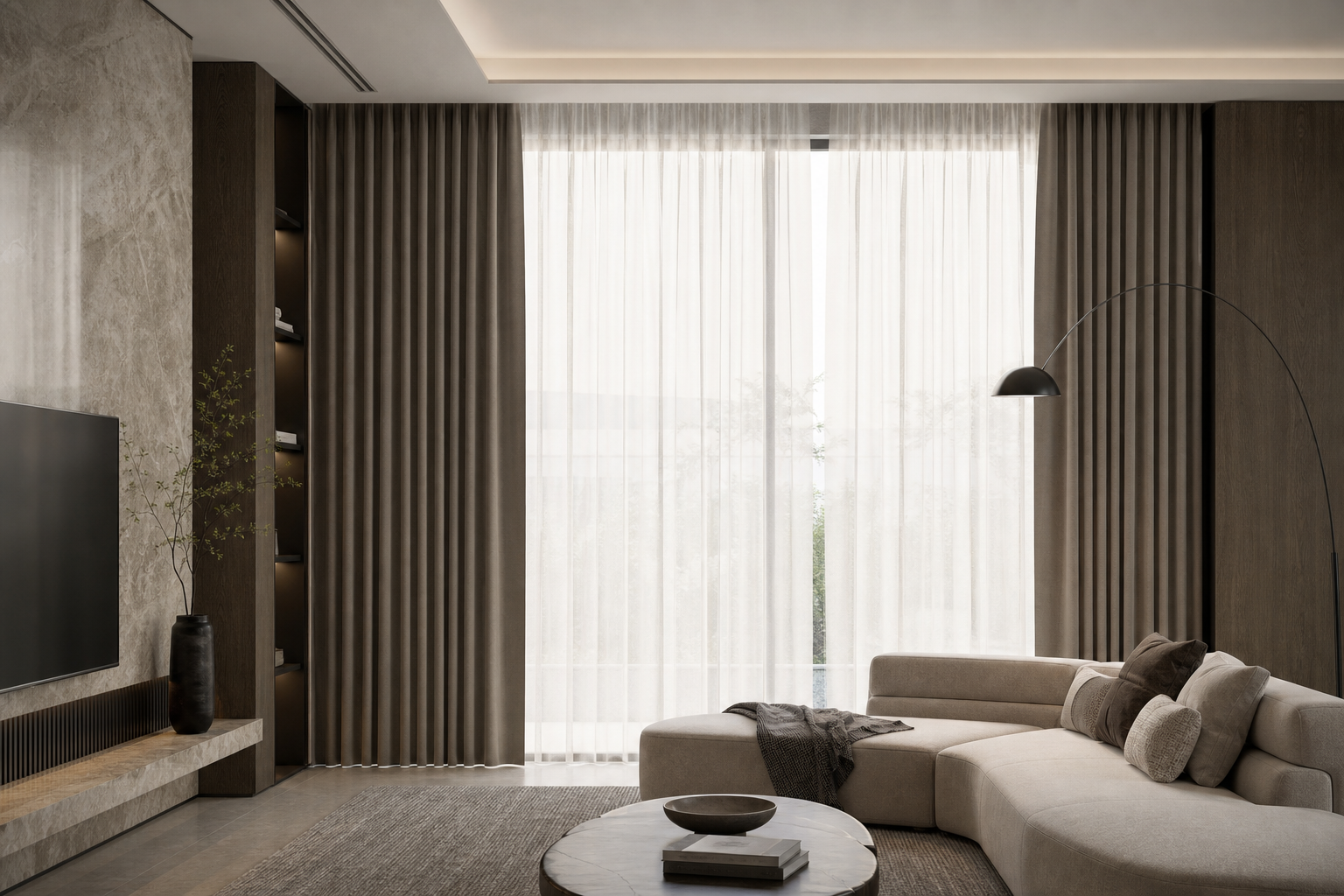
Residential
For residential briefs, these are usually target function directions during option screening—light modulation, privacy rhythm, and thermal-comfort intent. Verified performance statements are tied to the selected article, build version, test method, and available documentation.
Function Combination

Education
Education planners typically use this as a needs-mapping reference for acoustic comfort, glare control, and durability targets in high-use spaces. Actual claim status is determined by the chosen fabric model, construction version, test protocol, and report set.
Function Combination
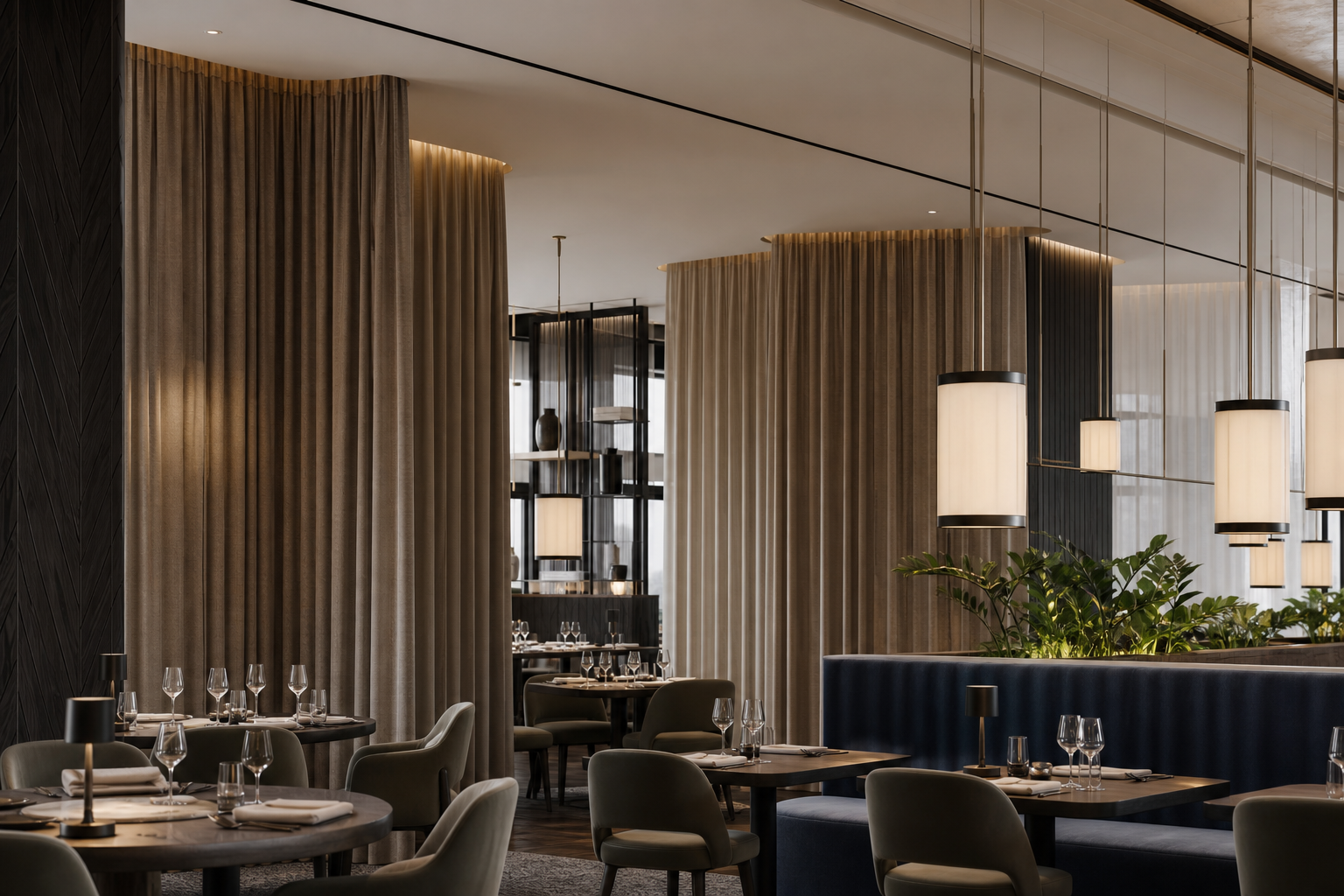
Food & Beverage
In restaurant fit-outs, these combinations should be read as planning directions for reverberation management and service-friendly upkeep, not as pre-confirmed bundled outcomes. Performance confirmation depends on the selected product, construction version, test path, and documentation.
Function Combination

Connected Living
For smart-home projects, this serves as a target-function checklist for privacy, daylight-response logic, and energy-comfort planning. Thermal or automation-related claims are validated only after model selection, construction/version definition, test route, and documentation review.
Function Combination
Mixed-Use & Corporate
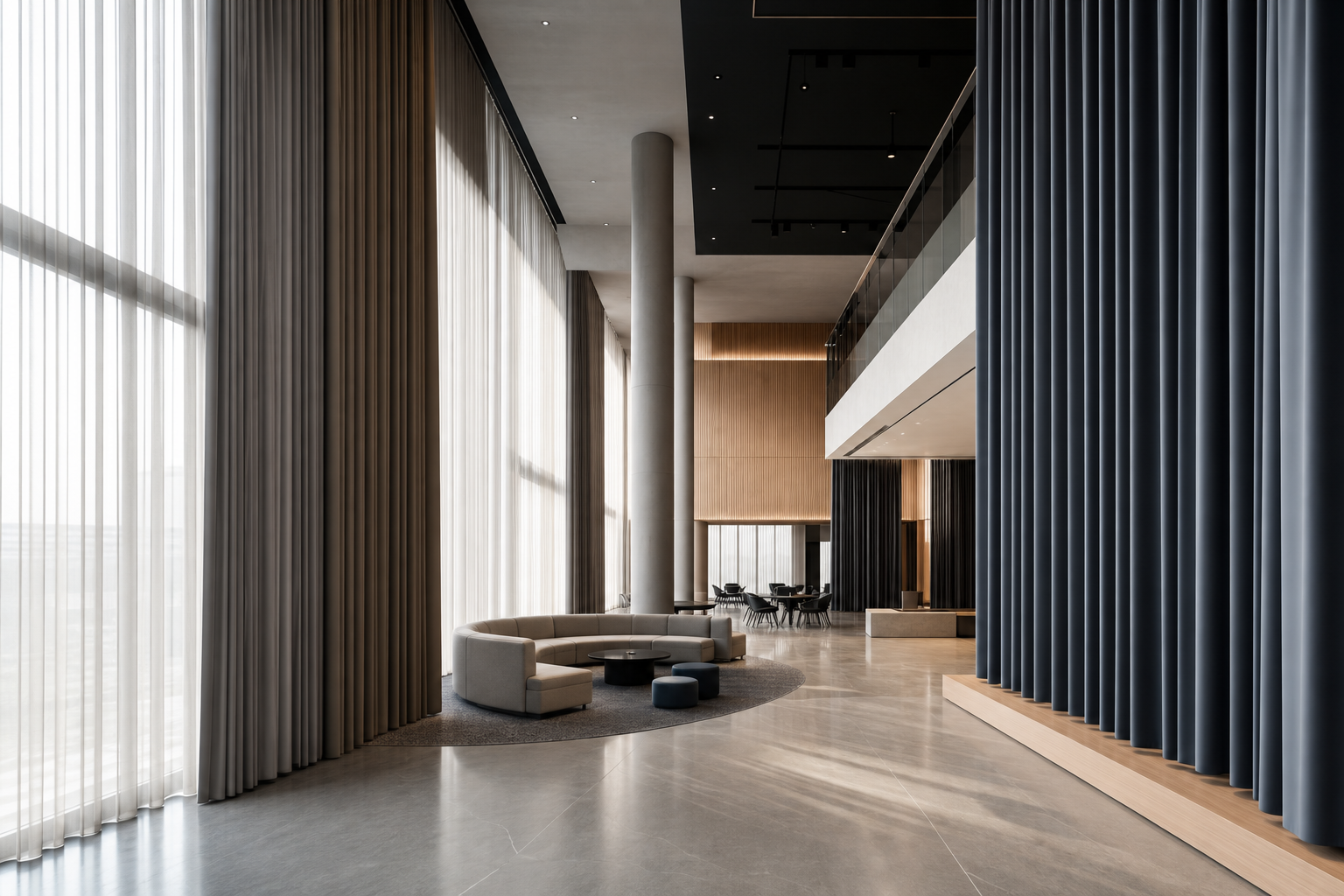
For multi-zone developments, this card frames common specification priorities such as daylight control, lifecycle durability, and zoning consistency. Solar-control or durability claims are finalized per selected model, construction version, test pathway, and documentation set.
Function Combination
Technical compliance alignment
This module presents reference standards, test methods, and market-alignment pathways only. It must not be interpreted as a completed-certification list for all models; applicability remains dependent on approved model scope, sample condition, method boundaries, and project market requirements.
 US Fire Code
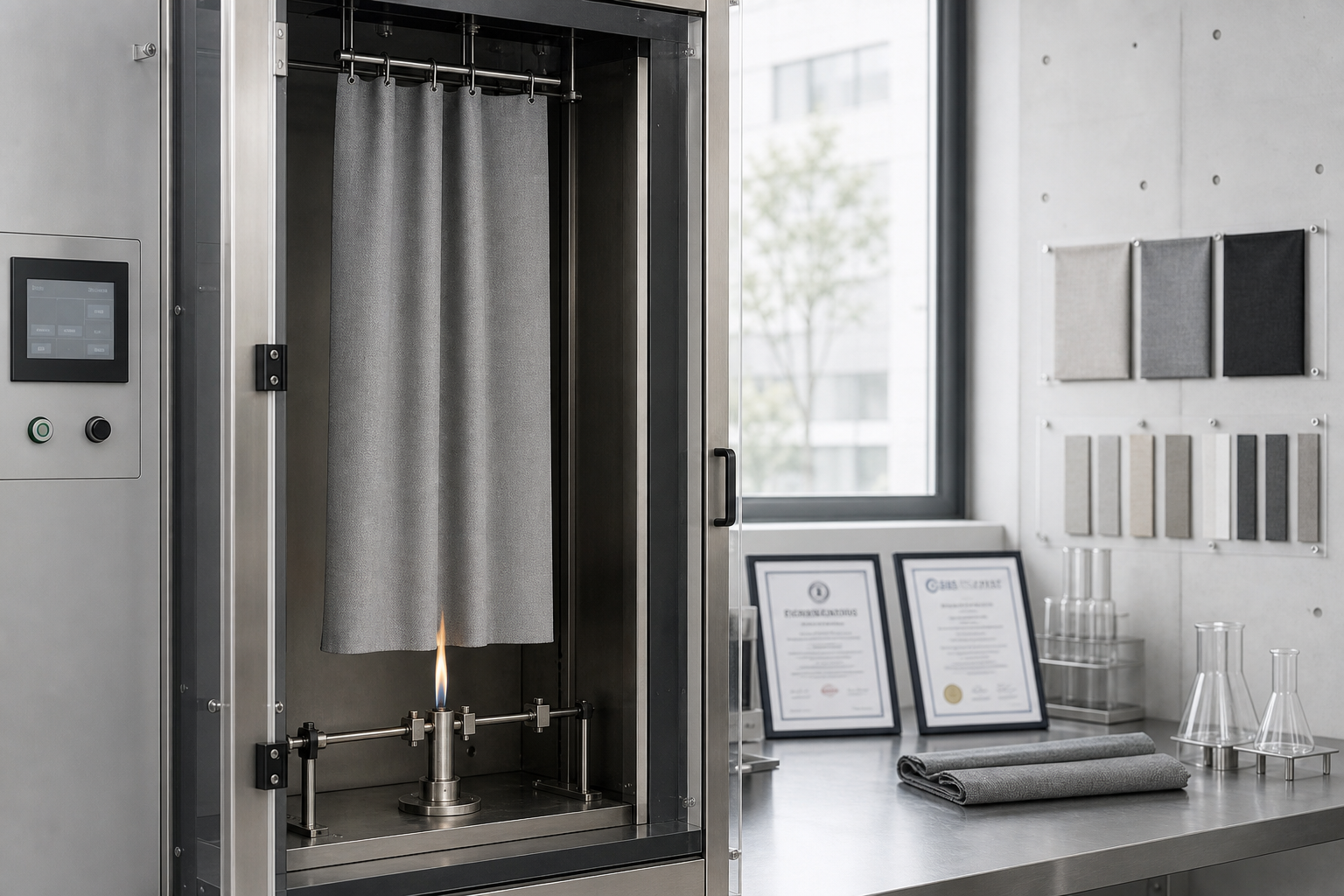
U.S. fire-test reference route used for project alignment. Relevance is submission-specific and depends on the exact model, construction, and sample state; it is not a blanket completion claim for all products.
 UK Contract
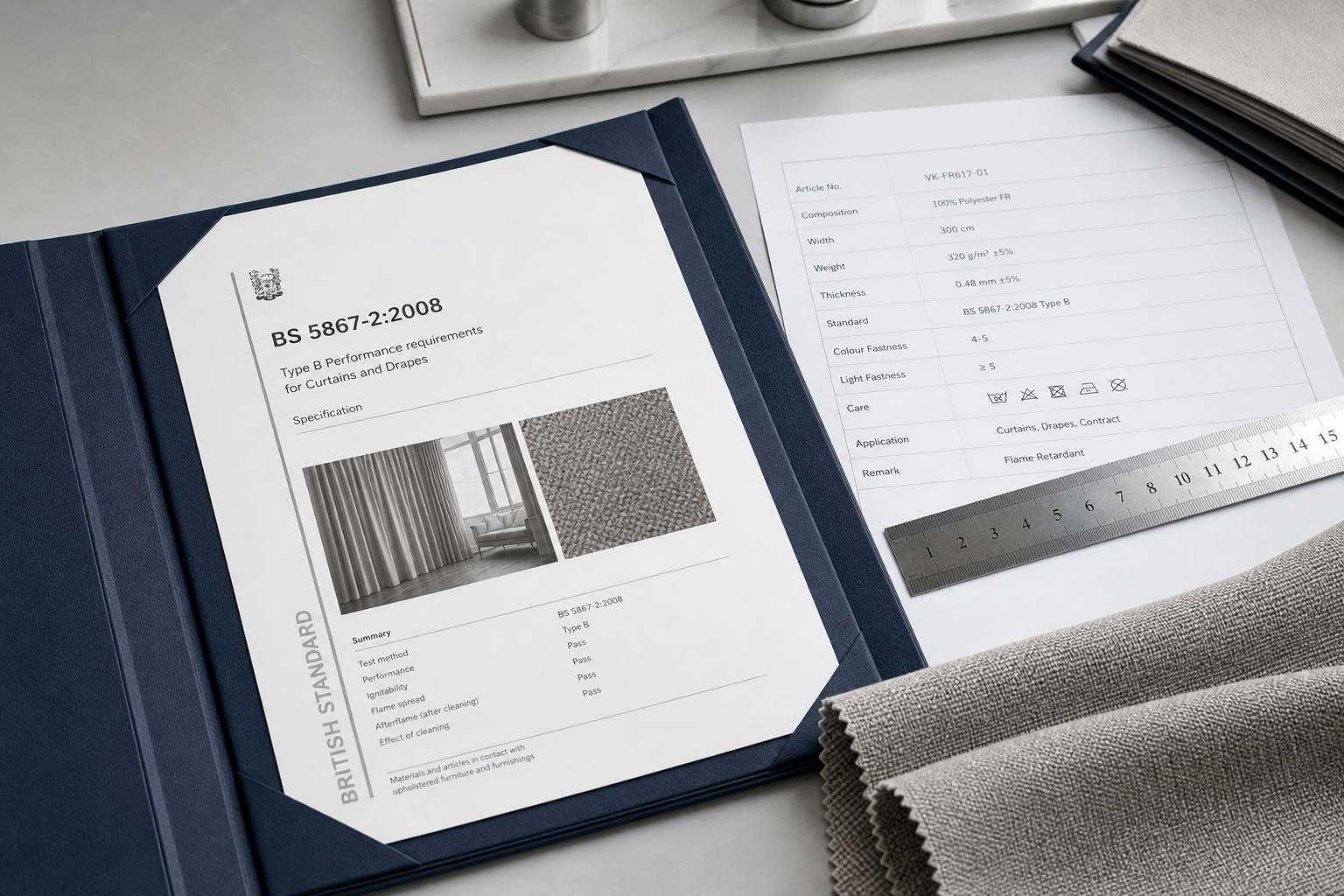
UK contract-market reference framework for specified curtain use cases. Selection is specification-driven and method-bounded, not evidence that every model has completed this route.
 EU Standard
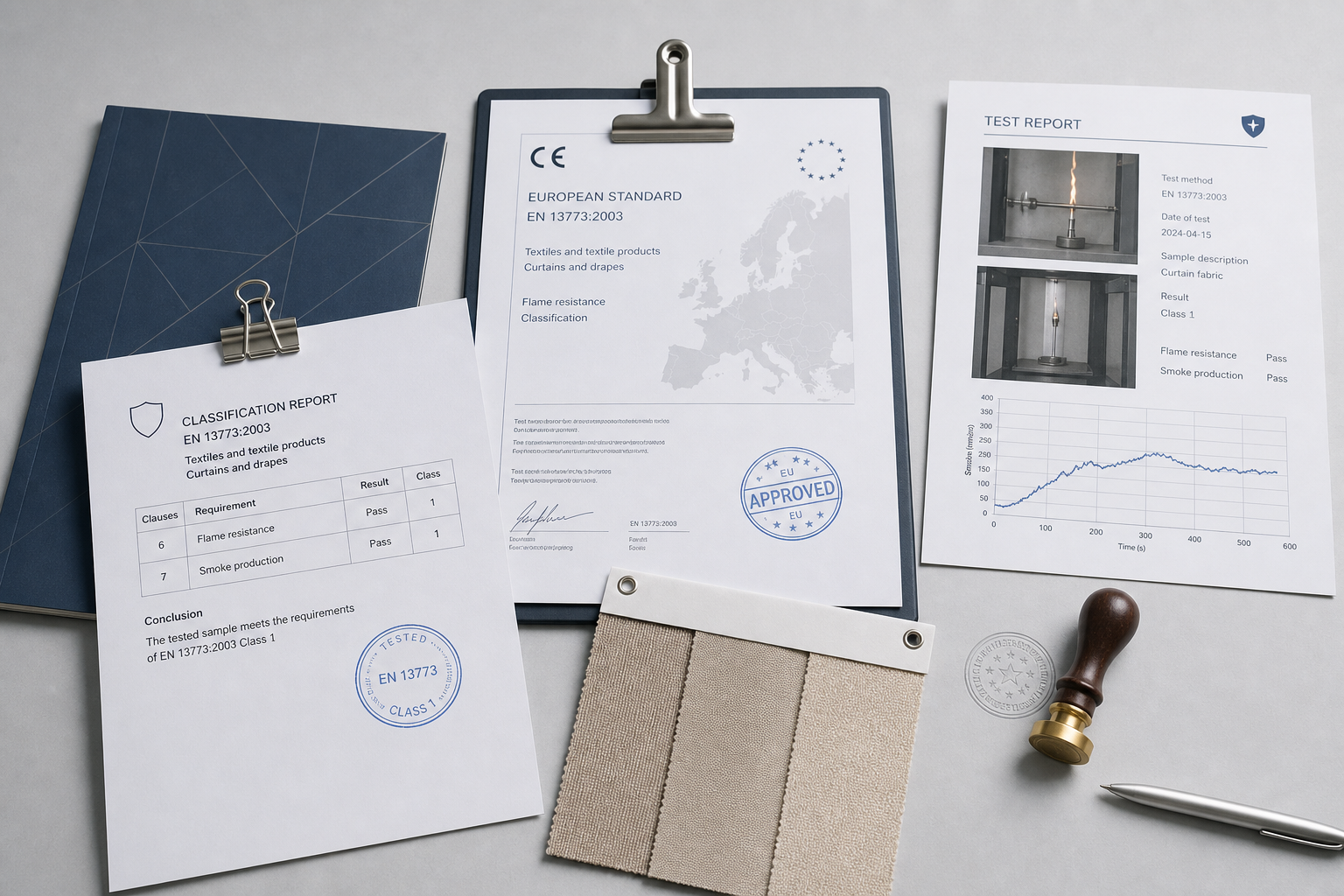
EU market-alignment fire reference for defined applications. Use must be validated per approved model and submitted sample condition within the required project scope.
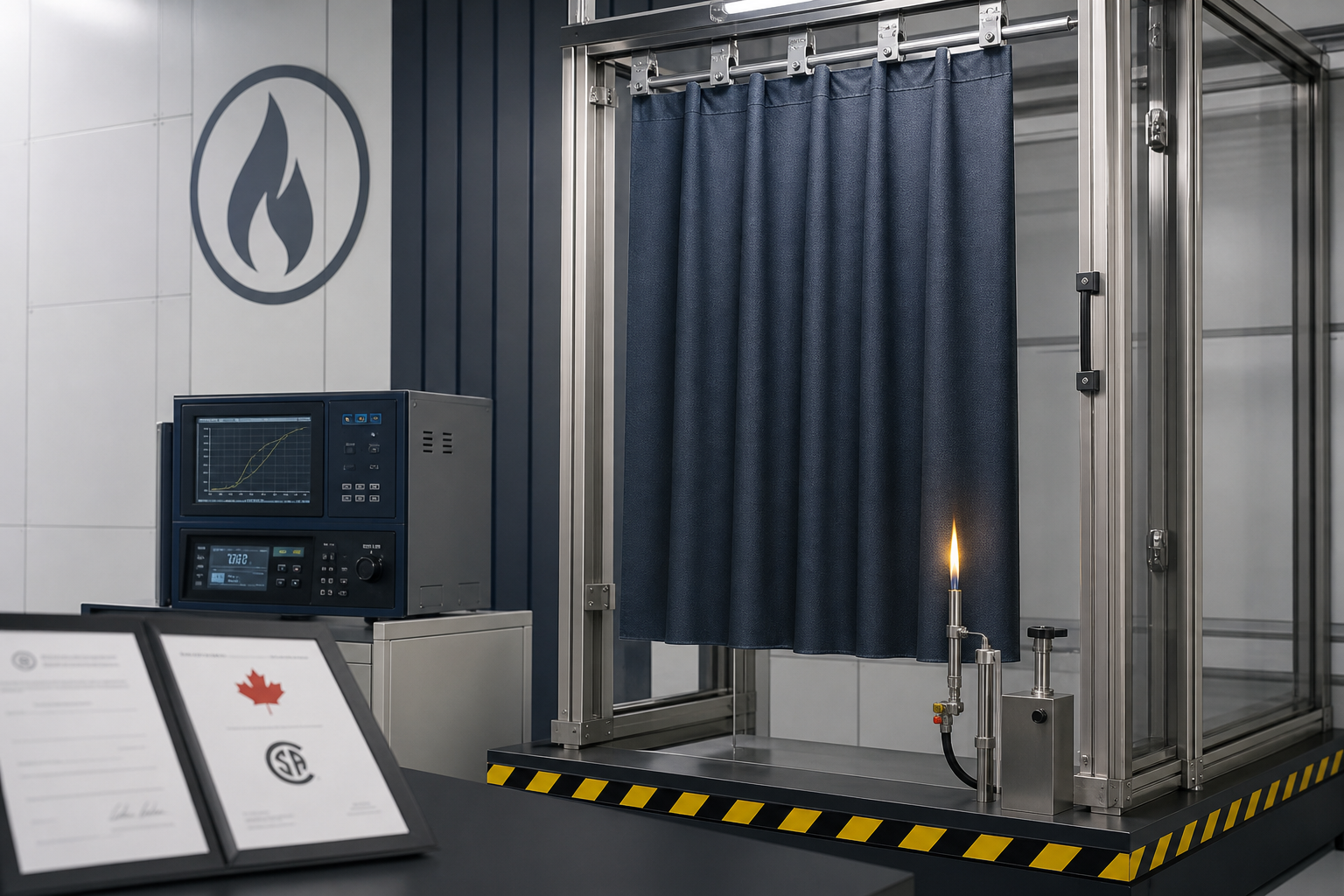 CA National
Canadian fire-test reference pathway for textile assemblies. It is jurisdiction-specific and must be matched to defined Canadian project criteria rather than assumed across all markets or models.
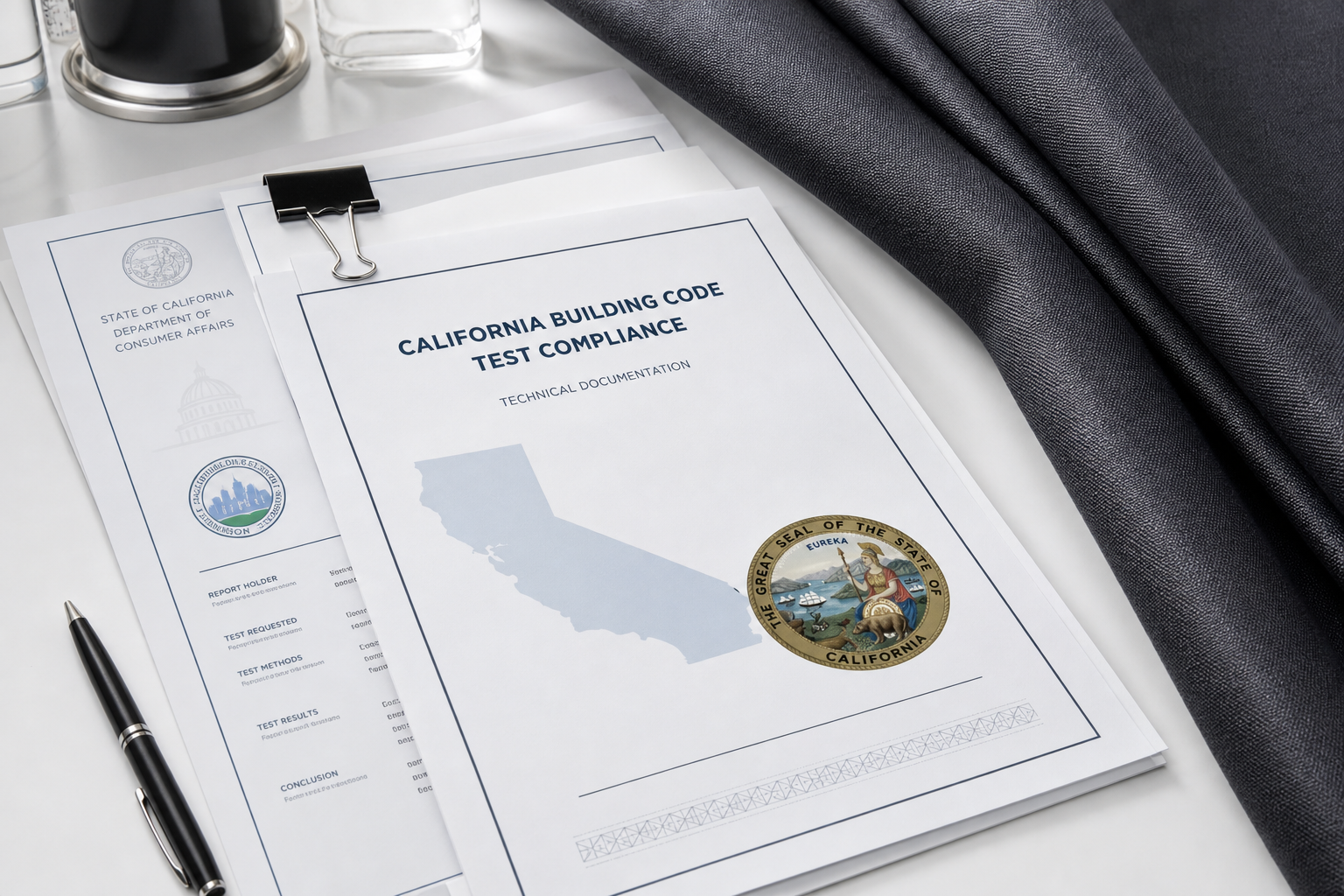 State Code
California state-level compliance-reference route. Applicability is tied to the tested item and intended use scenario; it should not be read as a universal certification outcome.
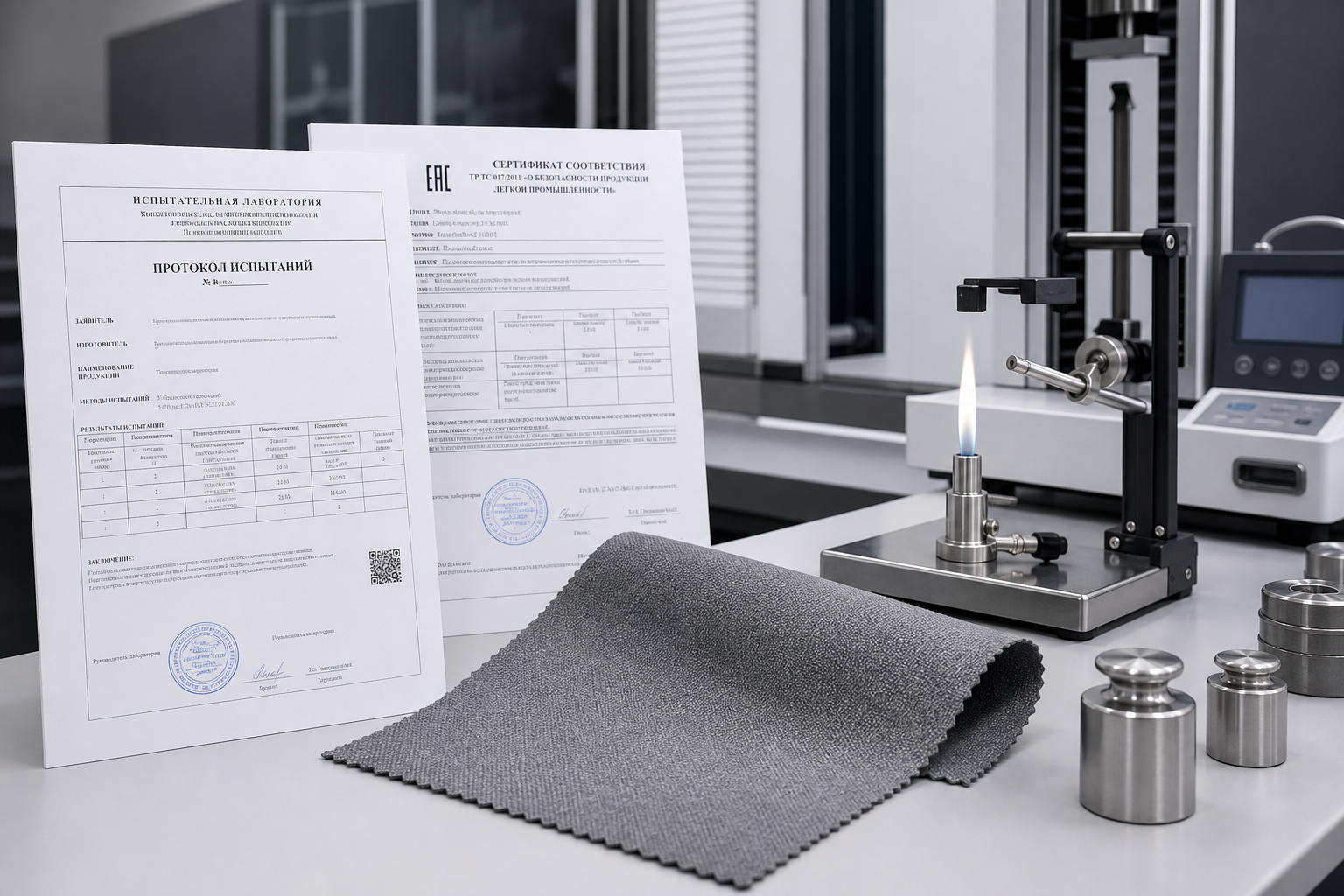 RU Standard
Russian-market fire-behavior reference framework for project mapping. Scope is model- and report-specific, and cannot be generalized as a cross-portfolio completion status.
 Hygiene Test
Method-level microbiology references addressing different technical questions: AATCC 30 focuses on fungal or mildew-related behavior, while ASTM E2149 evaluates antibacterial activity under defined contact conditions. These methods are not interchangeable and do not automatically substantiate broad-spectrum or long-term antimicrobial claims.
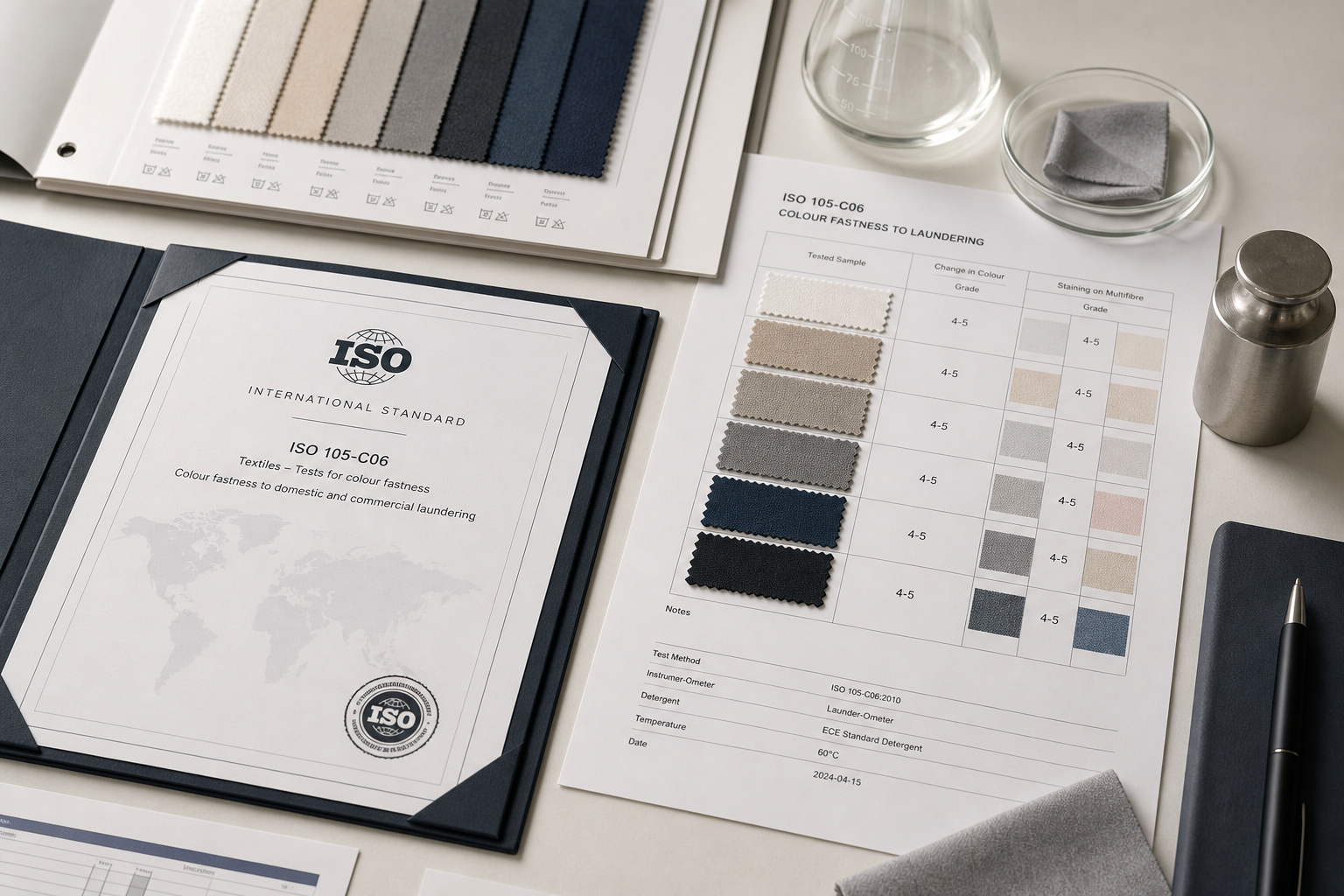 Color Fastness
Reference methods for colorfastness to rubbing, laundering, and light exposure. They support color-stability benchmarking only within stated test conditions and reporting limits.
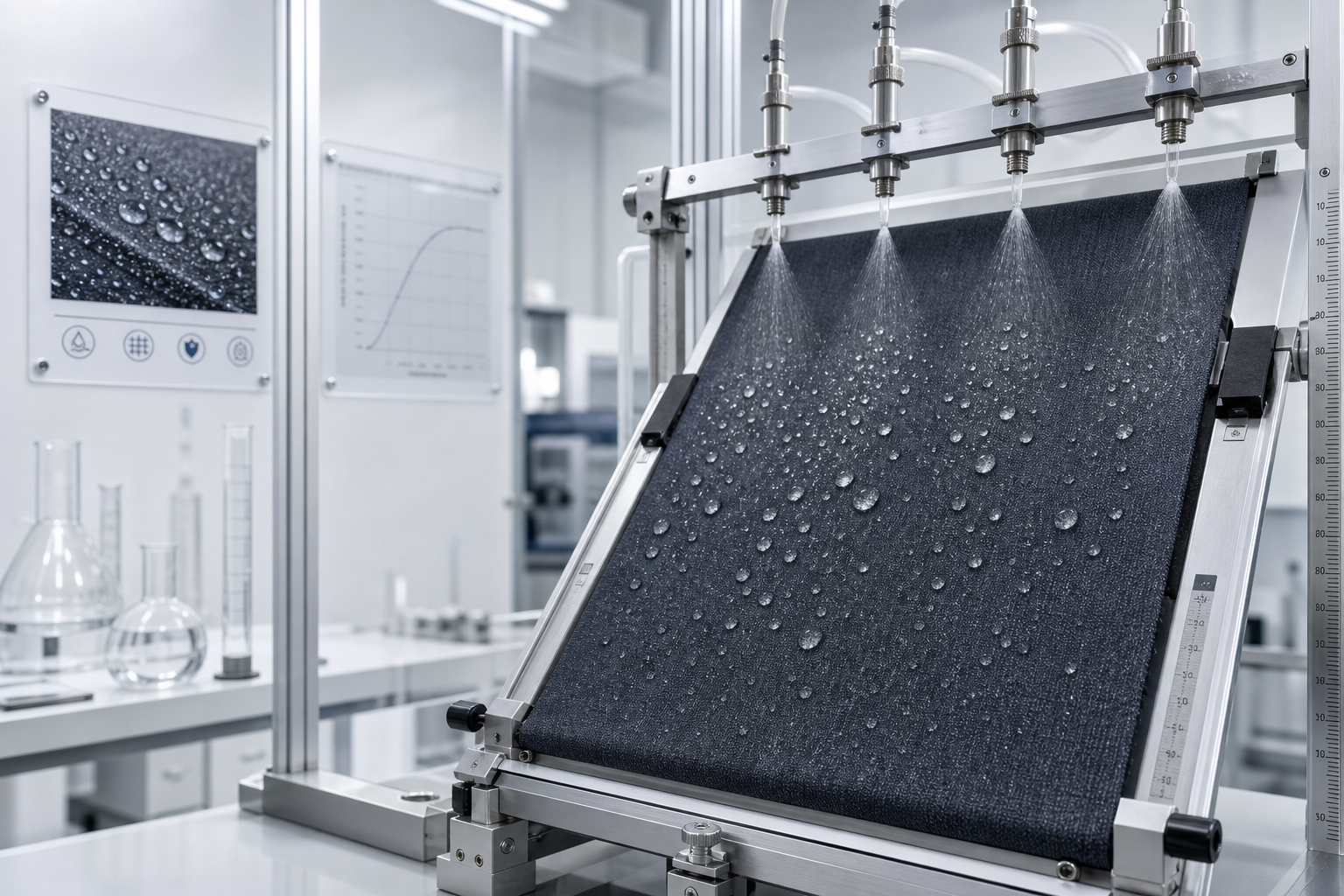 Repellency
Surface-wetting/spray-rating methods for water-repellency direction under controlled conditions. These routes do not automatically cover oil repellency, anti-soiling performance, or full easy-clean outcomes unless separately tested and evidenced.
 Light Blocking
Reference methods for light-blocking behavior of tested materials. Final in-room blackout performance after installation remains system-dependent, influenced by variables such as lining, track geometry, overlap, mounting gaps, and ambient light conditions.
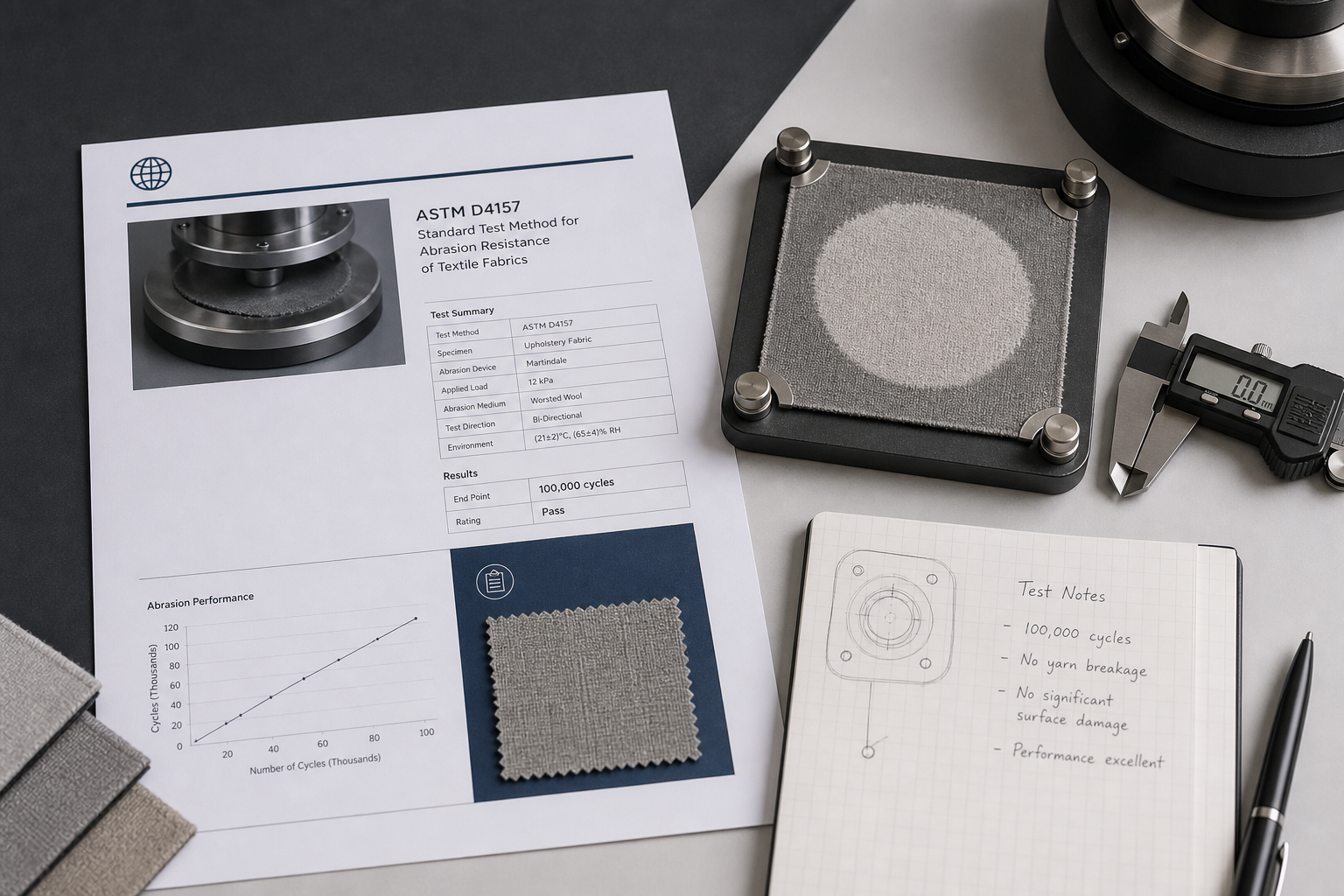 Durability
Abrasion-resistance test route for wear benchmarking in contract use. It addresses abrasion only and should not be automatically extended to pet scratch resistance without dedicated scratch-specific evidence.
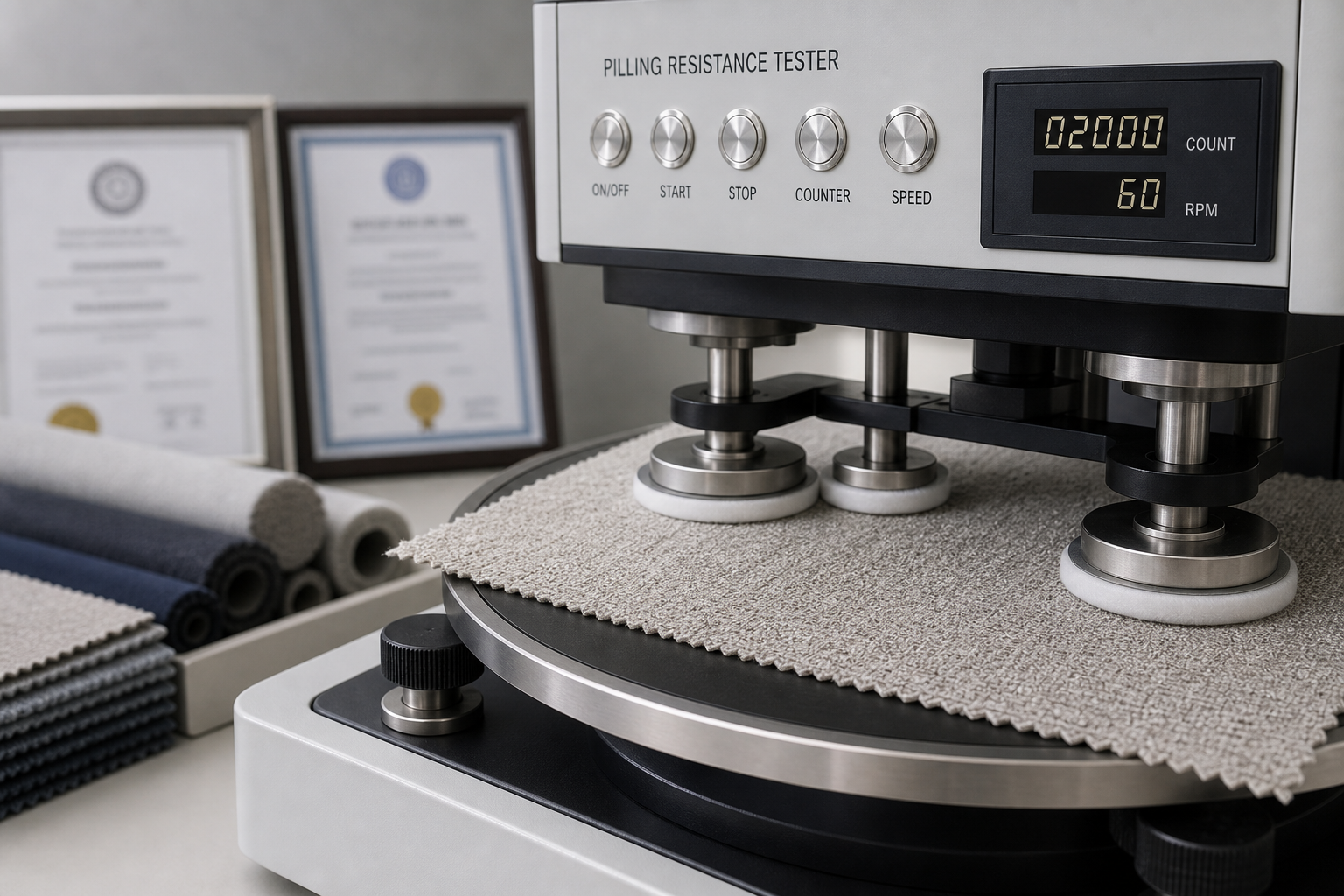 Surface Quality
Surface-quality reference method for pilling and appearance retention through use cycles. It does not by itself substantiate flame-retardancy, antimicrobial, or broad compliance conclusions.
Test reports and certification packages are available upon request. Any claim language must match the approved model, submitted sample condition, method scope, report set, and intended application before project release.
Final Step
From this overview page, choose your next step: request samples, contact our team for technical consultation, or download the catalog for internal review. Share your project requirements and we will align performance targets, compliance pathway, and recommended fabric options for evaluation.