
Articles hub

VIKAIRO’s article center for fabric buyers, project teams, and sourcing partners.

This page is dedicated to four rich article sections only: Fabric Knowledge, Curtain Customization, Project Guides, and Buying Guides. Each section delivers practical, decision-ready insight for commercial and hospitality curtain programs.
Fabric Knowledge Curtain Customization Project Guides Buying Guides
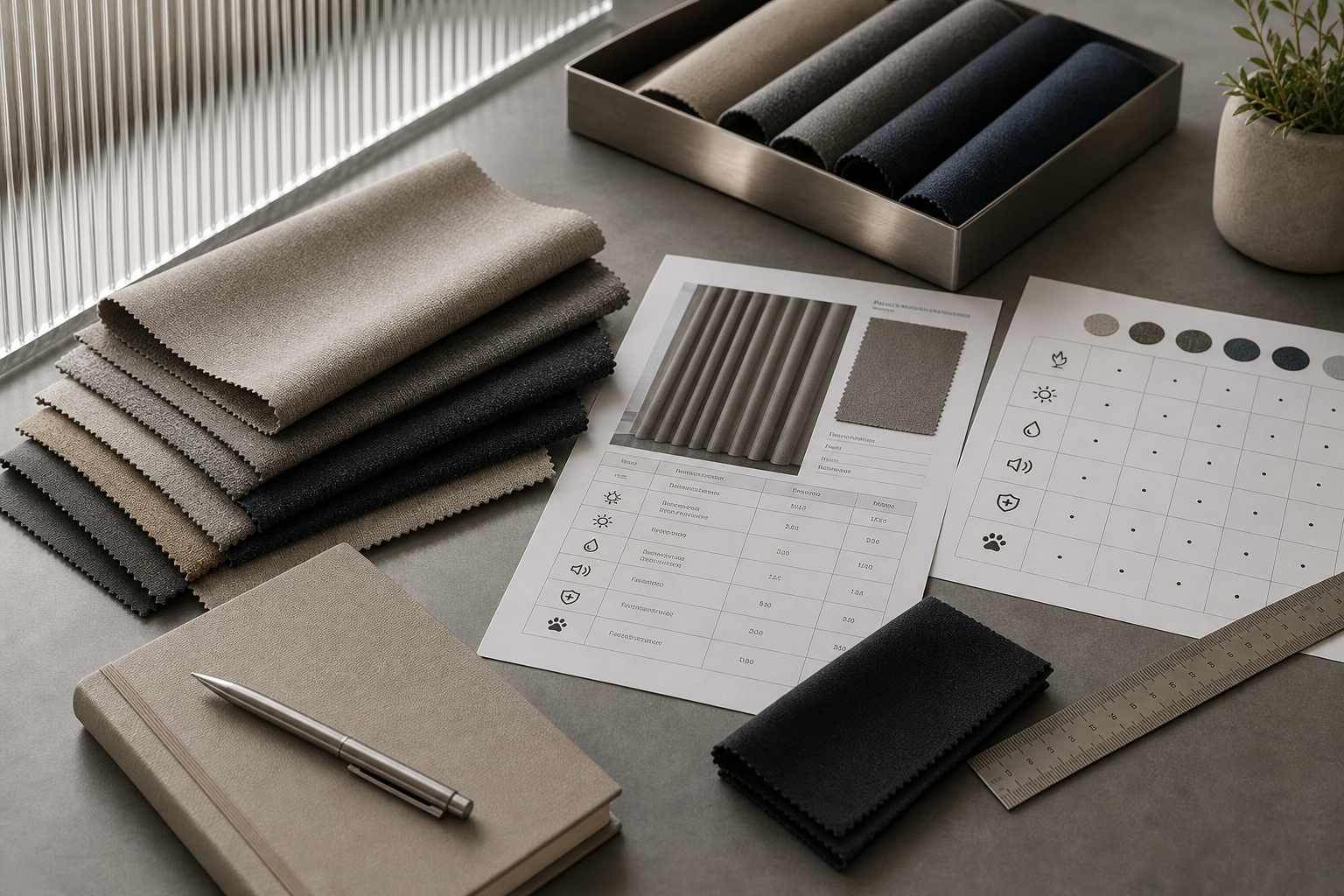
Luxury textile knowledge workspace with fabric samples, specification sheets, and planning tools

Editorial focus

Four focused article pillars for B2B decision teams.

Project readiness

Customization, specs, and compliance guidance in one hub.

Sourcing insights

Buying frameworks to align budgets, timelines, and QA.

Articles

Image-rich buyer guidance for performance curtain programs

Each category below contains visual case references, checklists, and practical guidance tailored to wholesalers, project teams, and specifiers evaluating fabrics and finished curtains.

Choose the topic that matches your current sourcing or project stage and explore the articles within.

01
Core specs

Fabric Knowledge

Decode performance standards, testing terms, and fabric structures with visuals that compare blackout, flame-retardant, and acoustic solutions.

Explore articles
02
Make-to-order

Curtain Customization

Coverage of pleat styles, lining options, hardware coordination, and sample approvals, with image-led guidance for custom programs.

Explore articles
03
Delivery playbooks

Project Guides

Step-by-step timelines and visual checklists for hospitality and commercial projects, including approvals, lead times, and risk controls.

Explore articles
04
Sourcing clarity

Buying Guides

Supplier qualification, pricing benchmarks, and export readiness guidance backed by visual examples and procurement-ready criteria.

Explore articles

VIKAIRO Knowledge Library

Fabric Knowledge Articles

Long-form editorial guidance from R&D, production, and export teams covering blackout, flame-retardant, antibacterial, acoustic, and project-delivery standards.

Blackout Engineering • 7 min read

Achieving true blackout performance

From yarn density to coating weight, map the specs used in hotel and theater projects.

Material Selection • 6 min read

Coated vs. woven performance

Balance blackout, acoustics, and durability without over-engineering your spec.

Compliance & Safety • 8 min read

Flame-retardant standards & testing

Decode global FR codes, sampling rules, and compliance packages for projects.

Healthcare & Hygiene • 6 min read

Antibacterial finishes & wash stability

Build medical-grade performance with testable, long-term antibacterial data.

Acoustic Engineering • 7 min read

Acoustic ratings & noise control

Translate NRC targets into fabric density, lining, and installation strategy.

Hospitality Durability • 7 min read

Hotel durability standards

Wear, seam strength, and colorfastness benchmarks for hospitality projects.

Performance Living • 6 min read

Pet-friendly scratch resistance

Engineer tight weaves, coatings, and testing plans for high-traffic homes.

Installation Planning • 6 min read

Project-grade installation planning

Specs for pleat ratios, tracks, and installation sequencing that reduce rework.

Export Readiness • 7 min read

Export documentation & QA packs

Align certificates, lab reports, and labeling with global delivery needs.

Blackout Engineering

Achieving true blackout performance

Editorial 7 min read Updated 2026

A complete editorial guide to structure design, coating balance, and project-grade validation.

Intro summary

True blackout is the result of controlled construction, coating discipline, and batch-to-batch repeatability. This long-form article walks procurement and design teams through the proven specification logic used in hotel and theater projects globally.

Hero media

Reserved for a hero cross-section image, film still, or executive summary graphic.

Featured visual

Multi-layer blackout anatomy

Replace with a cutaway or lab cross-section image later.

1. Defining blackout intent

Start with the intended light control outcome: guestroom privacy, cinema-grade darkness, or meeting-room AV clarity. Define visible light transmission targets and acceptable halo leakage so the textile structure can be tuned correctly from the start.

Spec input

Luminance target, room orientation, and fixture impact.

Outcome control

Backlight penetration and edge closure performance.

2. Structure & coating balance

Blackout fabrics rely on multi-layer yarn systems and a carefully controlled coating core. VIKAIRO adjusts yarn density and coating ratios to preserve hand feel while delivering measurable light blocking.

Comparison / detail media

Ideal for coating line close-ups, yarn density comparisons, or micro-structure imagery.

3. Validation & project testing

Batch testing must include backlight inspection, coating weight verification, and simulated aging. For high-visibility projects, request multi-angle inspections and side-by-side comparisons with approved reference samples.

“Blackout quality is measured by consistency, not a single lab reading.”

— VIKAIRO Quality Engineering Team

4. Project application guidance

Hospitality and theater environments often require durability, fire compliance, and precise drape control. Align blackout levels with lining choices and installation details to avoid late-stage rework.

Key takeaways

  • • Define light-blocking targets early.
  • • Specify coating weight ranges.
  • • Validate both backlight and edge leakage.

Next-step assets

Add a downloadable spec sheet, test report, or installation checklist here.

Video / media embed

Use this space for a production walkthrough, coating line clip, or narrated testing video.

Conclusion

Premium blackout relies on structural discipline and repeatable process control. When testing and documentation are aligned with the project brief, blackout performance is reliable at scale.

Material Selection

Coated vs. woven performance

Editorial 6 min read Updated 2026

How to align blackout targets, acoustic control, and hand feel without over-engineering the spec.

Intro summary

Coated and woven blackout solutions deliver different performance profiles. This editorial outlines when each structure excels, how to evaluate trade-offs, and which questions reduce procurement risk.

Hero media

Reserved for a hero comparison image or material selection overview.

Featured visual

Surface texture comparison

Replace with macro textures or fabric hand samples.

1. Blackout control logic

Coated fabrics rely on multi-layer resin applications for strong light blocking. Woven fabrics depend on dense yarn architecture and dark fiber blends. Define the required luminance threshold before choosing the structural pathway.

2. Hand feel, drape, and visual luxury

Coated solutions feel structured and architectural, while woven options deliver softness and richer drape. For premium hospitality rooms, woven fabrics are often paired with linings to balance luxury with performance.

Comparison / detail media

Ideal for drape comparisons, texture swatches, or tactile detail shots.

3. Acoustic response and lining strategy

Woven structures are more porous and thus provide better mid-frequency absorption. If acoustic control is critical, specify lining systems and pleat ratios that help reach target NRC values.

“Sound control is a system outcome—fabric, lining, and installation must be aligned.”

— VIKAIRO Product Development

4. Cost, lead time, and production stability

Coated fabrics typically offer stable lead times and predictable pricing. Woven designs give more pattern flexibility but need earlier confirmation to secure yarn and loom schedules.

Key takeaways

  • • Define blackout target first.
  • • Match hand feel to room positioning.
  • • Line acoustics with lining choices.

Next-step assets

Add a comparison matrix, data sheet, or sampling checklist here.

Video / media embed

Use this area for a drape comparison clip or loom process video.

Conclusion

Selecting coated or woven blackout solutions is a strategic decision. Align the selection with project performance goals, and verify with samples before final approval.

Compliance & Safety

Flame-retardant standards & testing

Editorial 8 min read Updated 2026

Clarifying global FR codes, lab workflows, and approval documentation for project teams.

Intro summary

Global flame-retardant requirements vary by region. This long-form article maps the standards, testing pathways, and documentation packs required for hotel and commercial projects.

Hero media

Reserved for a hero lab image, standards map, or compliance overview.

Featured visual

FR testing workflow

Swap with lab testing imagery or a workflow diagram.

1. Regional standards map

North America, Europe, and the Middle East apply different FR requirements. Confirm the standard, lab, and acceptable test method before samples are produced.

2. Sample preparation and traceability

Samples must match production finishing and batch identifiers. VIKAIRO aligns process records and sample IDs so the final report is fully traceable.

Comparison / detail media

Reserve for lab table shots, sample labeling, or traceability visuals.

3. Test execution & approval cadence

A structured testing calendar prevents delays. Pre-checks should be run internally, with accredited lab tests scheduled early for multi-region projects.

“Testing is a timeline, not an event. Plan approvals as a sequence.”

— VIKAIRO Compliance Team

4. Documentation delivery pack

A complete FR pack includes lab reports, batch traceability, care guidance, and QA checkpoints. Ensure document formats align with owner and operator requirements.

Key takeaways

  • • Confirm standards and labs early.
  • • Align samples to production batches.
  • • Deliver a full compliance pack.

Next-step assets

Add an FR checklist, certificates list, or compliance calendar here.

Video / media embed

Use for a standards walk-through, lab procedure video, or compliance briefing.

Conclusion

Clear FR planning shortens approvals and protects project deadlines. A supplier with structured testing and documentation makes compliance predictable and scalable.

Healthcare & Hygiene

Antibacterial finishes & wash stability

Editorial 6 min read Updated 2026

Guidance on treatments, wash-cycle durability, and compliance for hygiene-sensitive projects.

Intro summary

Antibacterial curtain fabrics must balance performance with wash durability. This article outlines treatment mechanisms, wash-cycle simulation, and approval requirements for hospitality and healthcare projects.

Hero media

Reserved for a lab-grade hero image, treatment diagram, or hygiene standards visual.

Featured visual

Finish application overview

Replace with lab finishing imagery or treatment diagram.

1. Treatment mechanisms

Silver-ion and organic treatments are common. Choose systems that retain antibacterial efficacy without compromising drape, sheen, or texture.

2. Wash durability validation

VIKAIRO simulates commercial laundering cycles to confirm that antibacterial performance remains stable over time. Multi-cycle wash testing is essential for credible claims.

Comparison / detail media

Use this zone for wash-cycle curves, microscope images, or durability charts.

3. Compliance and reporting

Regional regulations differ. Document treatment type, test method, and validity period to support approvals and audits.

“Antibacterial fabrics must be proven through repeatable testing, not marketing claims.”

— VIKAIRO Quality Systems

4. Project maintenance guidance

Ensure that care instructions match the treatment chemistry. Provide temperature and detergent guidance to protect performance in long-term operation.

Key takeaways

  • • Validate performance across wash cycles.
  • • Confirm treatment compatibility with drape.
  • • Document compliance for each region.

Next-step assets

Add a care guide, certification list, or hygiene protocol here.

Video / media embed

Use for a treatment application demo or hygiene testing walkthrough.

Conclusion

Durable antibacterial performance is achieved through treatment selection, validation, and clear maintenance guidance. Structured documentation builds confidence for healthcare-grade projects.

Acoustic Engineering

Acoustic ratings & noise control

Editorial 7 min read Updated 2026

Translating NRC targets into fabric density, lining systems, and installation strategy.

Intro summary

Acoustic success depends on aligning fabric structure, lining strategy, and installation discipline. This article breaks down the decisions required to achieve dependable noise control in hospitality spaces.

Hero media

Reserved for a hero acoustic chamber image or performance overview.

Featured visual

NRC measurement setup

Replace with a test chamber photo or acoustic chart.

1. Target setting for real spaces

NRC requirements should align with room size, use, and noise sources. Establish the target based on the actual acoustic profile, not a single fabric data sheet.

2. Fabric density and lining strategy

High-density weaves paired with acoustic linings deliver stable mid-frequency absorption. Evaluate lining weight, pleat ratios, and installation depth during early sampling.

Comparison / detail media

Use for absorption curves, lining layers, or density cross-sections.

3. Installation details that affect performance

Pleat ratio, edge treatments, and track selection influence final absorption. Coordinate with installers and ensure the spec includes these details.

“Acoustic outcomes fail when installation details are left to chance.”

— VIKAIRO Project Support

4. Project acceptance criteria

Include acoustic testing methods and acceptance metrics in tender documents. This reduces disputes and ensures performance is aligned with expectations.

Key takeaways

  • • Define NRC targets for the space.
  • • Pair fabric density with lining design.
  • • Specify installation details in writing.

Next-step assets

Add an acoustic checklist, lining options, or sampling workflow here.

Video / media embed

Use for a sound lab walkthrough or installation method video.

Conclusion

Acoustic performance is a system outcome that combines structure, lining, and installation discipline. Early alignment prevents performance drift later in the project.

Hospitality Durability

Hotel durability standards

Editorial 7 min read Updated 2026

A complete guide to abrasion, seam strength, and colorfastness for hotel-grade curtains.

Intro summary

Hotel projects require durability metrics that exceed residential expectations. This editorial outlines the test standards, sampling logic, and documentation needed to protect lifecycle performance.

Hero media

Reserved for a hero durability test image or lifecycle performance overview.

Featured visual

Abrasion testing focus

Replace with lab abrasion or seam-strength imagery.

1. Abrasion targets

High-traffic rooms require elevated abrasion cycles. Confirm Martindale or Wyzenbeek requirements by hotel tier and expected guest turnover.

2. Seam strength and construction

Evaluate header seams and side joins under load. Pre-wash and post-wash checks protect against seam failure after installation.

Comparison / detail media

Use for seam construction, stitching details, or abrasion test sequences.

3. Colorfastness and UV stability

Long daylight exposure requires light and wash fastness testing. Define color shift tolerance for project handover and warranty clarity.

“Durability is a lifecycle promise, not a single test result.”

— VIKAIRO QA Leaders

4. Delivery documentation

Provide abrasion, seam, and colorfastness records in the delivery pack. This supports long-term operations and replacement planning.

Key takeaways

  • • Confirm abrasion cycles by room tier.
  • • Validate seams before installation.
  • • Document colorfastness clearly.

Next-step assets

Add durability standards, test records, or care plans here.

Video / media embed

Use for a durability test sequence or production floor walkthrough.

Conclusion

Durability planning protects project reputation. With documented testing and clear maintenance guidance, hotel curtains maintain their appearance over time.

Performance Living

Pet-friendly scratch resistance

Editorial 6 min read Updated 2026

Designing curtain fabrics that resist snagging while preserving luxury drape.

Intro summary

Pet-friendly fabrics must manage scratching, snagging, and abrasion without sacrificing elegance. This article outlines weave strategies, protective finishes, and test programs used in premium residential and hospitality spaces.

Hero media

Reserved for a hero weave macro, abrasion panel, or performance summary visual.

Featured visual

Scratch resistance testing

Replace with weave macro or abrasion test imagery.

1. Weave strategy for resilience

Tight, multi-filament weaves reduce snagging while maintaining light control. Yarn selection is the first line of defense.

2. Protective finishes and coatings

Low-friction coatings and anti-pilling treatments improve durability without making the hand feel stiff. Evaluate coating impact on drape early in sampling.

Comparison / detail media

Use for coating detail shots, pilling tests, or weave density comparisons.

3. Testing program alignment

Combine snag tests, abrasion cycles, and wash durability to match real-use behavior. Establish acceptance criteria before production runs.

“The best pet-friendly fabrics are engineered, tested, and proven—not guessed.”

— VIKAIRO R&D

4. Specification guidance

Include pilling, snag, and abrasion metrics in tender documents to protect against performance disputes.

Key takeaways

  • • Tight weaves deliver higher resistance.
  • • Coatings should preserve softness.
  • • Multi-cycle testing protects claims.

Next-step assets

Add a pet-friendly spec sheet or testing checklist here.

Video / media embed

Use for a snag resistance demo or performance testing clip.

Conclusion

Pet-friendly performance is achievable without sacrificing elegance. With the right weave, finishes, and testing, fabrics remain beautiful even in high-traffic environments.

Installation Planning

Project-grade installation planning

Editorial 6 min read Updated 2026

A structured approach to pleat ratios, track selection, and sequencing for project delivery.

Intro summary

Installation planning protects the final appearance, acoustic performance, and project schedule. This editorial details the measurements, hardware selection, and sequencing used by project teams worldwide.

Hero media

Reserved for an installation hero image or workflow summary graphic.

Featured visual

Installation workflow

Replace with an installation sequence image or diagram.

1. Measurement control

Confirm finished floor heights, window reveals, and ceiling conditions before production. Early measurement alignment prevents costly remakes.

2. Track and hardware selection

Hardware must support fabric weight and lining thickness while maintaining smooth glide. Include track tolerance in the specification.

Comparison / detail media

Ideal for hardware close-ups, track profiles, or installation detail shots.

3. Sequencing and coordination

Install tracks after ceiling finishes but before final cleaning. Coordinate with HVAC and lighting teams to avoid clashes.

“Installation sequencing is a risk reducer when documented and shared early.”

— VIKAIRO Project Delivery

4. Final inspection checklist

Verify hem alignment, glide smoothness, and return depth for full blackout closure. A structured checklist protects the final handover.

Key takeaways

  • • Verify measurements before production.
  • • Match hardware to fabric weight.
  • • Use a documented inspection list.

Next-step assets

Add an installation checklist or coordination timeline here.

Video / media embed

Use for a step-by-step installation demo or site coordination walkthrough.

Conclusion

Installation planning is a project risk reducer. Clear coordination, hardware alignment, and final checks preserve the premium appearance of finished curtains.

Export Readiness

Export documentation & QA packs

Editorial 7 min read Updated 2026

A complete editorial on certificates, testing reports, and labeling accuracy for global shipments.

Intro summary

Export-ready deliveries require a coordinated documentation stack. This article outlines the certificates, QA checkpoints, and labeling details that accelerate customs clearance and buyer approvals.

Hero media

Reserved for a hero documentation stack image or export readiness overview.

Featured visual

Documentation stack overview

Replace with export document imagery or a checklist graphic.

1. Documentation stack essentials

Core files include test reports, FR certificates, fiber content declarations, and country-of-origin documents. Align required formats with the buyer and customs jurisdiction.

2. QA checkpoints and batch traceability

Inline inspections, final sampling, and pre-shipment checks should follow buyer expectations. Batch traceability ensures every document references the correct lot.

Comparison / detail media

Use for QA workflow imagery, checklist visuals, or batch tracking examples.

3. Labeling accuracy and compliance

Label data must mirror shipment records. Confirm SKU naming, batch codes, and care instructions early to avoid customs delays.

“Documentation clarity is the fastest route through customs.”

— VIKAIRO Export Operations

4. Buyer coordination

Confirm required formats at the start of the project. Multi-country rollouts benefit from a centralized document pack and revision control.

Key takeaways

  • • Align certificate formats early.
  • • Track QA checks by batch.
  • • Keep labeling data consistent.

Next-step assets

Add a document checklist or sample export pack here.

Video / media embed

Use for an export documentation walkthrough or QA checklist overview.

Conclusion

Export success relies on disciplined documentation. A structured pack builds buyer trust and shortens delivery timelines across global markets.

Curtain Customization Guides

Project-ready customization playbooks for hospitality and commercial curtain programs

Explore VIKAIRO’s editorial knowledge library for tailored curtain solutions. Each article dives into material pairing, compliance standards, and installation realities so you can design confidently, quote faster, and deliver project-ready results across global markets.

Library Focus

  • Customization frameworks for hotel, residential, and commercial buyers
  • Compliance guidance: FR, acoustic, antibacterial, and blackout performance
  • Export-ready documentation, packaging, and lead-time alignment
Program Planning 8 min read

Custom program planning: aligning fabric specs, budget, and lead times

Build a planning framework that connects design intent, performance targets, and export-ready delivery schedules.

Residential 7 min read

Apartment curtain solutions: durability, style, and budget control

Balance soft-hand fabrics with repeatable specs for multi-unit residential developments and serviced apartments.

Hospitality 9 min read

Hotel curtain guide: spec hierarchy for guest comfort and longevity

Map fabrics, liners, and hardware into a cohesive hotel-ready specification that supports long-term performance.

Mockup 6 min read

Room mockup & styling: visual approvals that speed sign-off

Create mockups that translate fabric decisions into clear approvals for procurement and design teams.

Acoustic 7 min read

Acoustic test lab insights: translating NRC data to fabric choices

Understand how lab data guides lining thickness, pleat density, and acoustic results.

QC Workflow 6 min read

Sewing QC workflow: inspection points that protect luxury drape

A practical checklist of seam alignment, header accuracy, and final drape inspection.

Export Ready 8 min read

Export packing standards: crease control and room labeling

Define carton specs, label formats, and protective packing for smooth installation.

Commercial 7 min read

Commercial curtain planning: aligning specs with building standards

Coordinate compliance, durability, and aesthetic standards across high-traffic projects.

Hygienic 7 min read

Antibacterial finish standards: treatment durability and care cycles

Ensure antimicrobial performance stays compliant after laundering and daily use.

Sampling 6 min read

Sample approval process: from lab dips to bulk confirmation

Create a clear approval trail that reduces rework and keeps production on schedule.

OEM/ODM 8 min read

OEM/ODM customization workflow: timelines, approvals, and QA

Structure an OEM program that keeps brand specs aligned and quality consistent.

Material Pairing 7 min read

Fabric, lining & finish selection: pairing performance with style

Choose combinations that meet blackout, FR, and acoustic requirements without sacrificing hand feel.

Curtain Customization Guide

Hotel blackout lining: spec-ready layering for deep sleep performance

Blackout Programs 8 min read Updated June 2026

Summary

This guide maps out the most reliable blackout curtain constructions for hotel rooms, serviced apartments, and cruise projects. Use it to build layered systems that deliver 99% light block, satisfy fire standards, and still showcase the visual hand of the face fabric.

Hero media placeholder — recommended: room scene with layered blackout drapes.

Featured visual block

Show fabric swatches, lining weights, and header options that communicate tactile quality to stakeholders.

Specification snapshot

Include liner weight, light-block rating, and recommended fullness ratio for quick quoting.

1. Define the blackout target and testing method

Start by confirming the buyer’s expected light-blocking metric. Many hospitality brands specify 99% light block or a defined lux level in the room. Align on the test method and the fabric + liner combination before sampling.

2. Select lining weight to balance drape and performance

Heavier liners create better block-out but can stiffen the hand. Pair mid-weight liners with softer face fabrics, and use interlining only when the project demands plush volume and deeper insulation.

3. Engineer the header style and fullness ratio

Wave and pinch-pleat headers behave differently in blocking side light. Specify fullness ratios (2.0x–2.5x for hotels) and confirm stack-back requirements so the treatment reads premium.

4. Validate hardware fit and installation sequencing

Confirm track depth, overlap, and wall return dimensions early. Installation teams need clear labels and mapping so each panel aligns with the intended room orientation.

Comparison/detail media block — liner weight vs. light-block chart.

Insight

High-performing blackout curtains often rely on precise header geometry as much as lining choice. Small adjustments in overlap can outperform heavier liners.

Key takeaways

  • Confirm blackout testing expectations early.
  • Balance liner weight with drape requirements.
  • Document fullness ratios for the installer.

Next-step assets

  • Request blackout liner swatch book.
  • Download hotel room measurement template.
Video/media embed placeholder — recommended: blackout installation walkthrough.

Conclusion

Use this framework to align blackout specs, production plans, and installation teams. VIKAIRO can validate combinations with performance testing and export-ready sampling.

Curtain Customization Guide

Flame-retardant curtain standards: UK, EU, and US alignment

Compliance 9 min read Updated June 2026

Summary

Navigate FR curtain standards across the UK, EU, and US without over-specifying or missing critical tests. This guide translates buyer expectations into a clear documentation and production checklist.

Hero media placeholder — recommended: FR testing lab or compliance documentation.

Featured visual block

Highlight key FR test standards by region and label formats required for inspections.

Specification snapshot

Capture fiber content, treatment type, and certification expiry in one sheet.

1. Map standards to project region and building type

Confirm whether the project is governed by BS 5867, EN 13773, NFPA 701, or local fire codes. Hotels, cruise lines, and public venues may request multiple certifications.

2. Choose inherent vs. treated flame-retardant fabrics

Inherent FR fibers maintain performance after laundering, while treated fabrics may require re-treatment schedules. Match the lifecycle expectations to the client’s maintenance plan.

3. Document testing and batching for traceability

Batch testing and record-keeping are critical for large-scale hospitality projects. Ensure labeling includes batch numbers, production dates, and certificates.

4. Align washing instructions with compliance longevity

Provide care labels that preserve FR performance. Hospitality buyers favor easy-care finishes that keep compliance after repeated laundering.

Comparison/detail media block — standards matrix by region.

Insight

Buyers value clarity: a well-organized FR compliance pack can accelerate approval faster than price concessions.

Key takeaways

  • Match standards to the project’s region and venue.
  • Maintain traceable batch documentation.
  • Clarify FR longevity in care guides.

Next-step assets

  • Request VIKAIRO FR compliance pack.
  • Download FR labeling checklist.
Video/media embed placeholder — recommended: FR testing overview.

Conclusion

With a clear compliance roadmap, you can move from inquiry to approval quickly. VIKAIRO provides test reports, batch tracking, and export-ready labeling support.

Curtain Customization Guide

Sound-absorbing linings: tailoring NRC performance with style

Acoustic 7 min read Updated June 2026

Summary

Acoustic curtains are design assets when planned correctly. This article outlines how to meet NRC targets while maintaining luxurious drape and smooth operation for premium hospitality spaces.

Hero media placeholder — recommended: acoustic drapery in a quiet lounge.

Featured visual block

Show lining thickness and perforated layers that improve sound absorption.

Specification snapshot

Define NRC targets, pleat density, and track damping requirements.

1. Establish the acoustic performance goal

Measure baseline reverberation and agree on NRC or dB reduction targets with the project team. This informs the lining weight and construction needed.

2. Choose lining and interlining combinations

Multiple lightweight layers can outperform a single heavy one. VIKAIRO recommends tested bundles that preserve drape while meeting acoustic targets.

3. Optimize fullness and fold depth

Higher fullness ratios add surface area for absorption. Balance the visual stack with operational ease for daily housekeeping routines.

4. Plan installation sequencing and testing

Test acoustic performance after install and before handover. Align installation steps with room turnovers to avoid rework.

Comparison/detail media block — NRC by lining configuration.

Insight

Well-planned acoustic curtains can reduce reverberation without adding heavy, costly wall treatments.

Key takeaways

  • Define acoustic targets before sampling.
  • Layered linings improve absorption.
  • Test post-install for validation.

Next-step assets

  • Request acoustic lining samples.
  • Download acoustic planning checklist.
Video/media embed placeholder — recommended: acoustic curtain installation.

Conclusion

Acoustic performance becomes reliable when lining, fullness, and hardware are engineered together. VIKAIRO can model NRC results and provide validated combinations.

Curtain Customization Guide

Sheer + blackout systems: dual-track styling that sells

Dual-Layer 6 min read Updated June 2026

Summary

Dual-track systems deliver high-end styling with flexible light control. This guide helps you coordinate sheers and blackout curtains for consistent textures, color harmony, and smooth operation.

Hero media placeholder — recommended: layered sheer + blackout room vignette.

Featured visual block

Show coordinated textures and complementary color chips for shear and blackout pairing.

Specification snapshot

Document track spacing, header style, and overlap for seamless operation.

1. Align the design narrative across layers

Use a consistent color story across sheer and blackout layers. Avoid competing textures and keep weaves within a complementary palette.

2. Define track depth and clearance

Dual-track systems require precise spacing. Confirm stack-back depth to prevent the blackout layer from restricting the sheer.

3. Calculate fullness ratios independently

Sheers often look best at 2.5x fullness, while blackout layers can stay at 2.0x. Align fabric consumption with budget and visual targets.

4. Coordinate hardware finishes and controls

Specify consistent track finishes, carriers, and manual or motor controls so the system feels premium from touch to operation.

Comparison/detail media block — track depth diagram.

Insight

Dual-track styling creates premium room impact while keeping operations intuitive for guests and housekeeping staff.

Key takeaways

  • Coordinate color stories across layers.
  • Document track spacing carefully.
  • Optimize fullness per layer.

Next-step assets

  • Request dual-layer sample pack.
  • Download track spacing guide.
Video/media embed placeholder — recommended: dual-track installation video.

Conclusion

Layered systems make premium interiors feel adaptable. VIKAIRO can support sampling, hardware coordination, and export-ready labeling.

Curtain Customization Guide

Motorized curtain tracks: sizing, power, and export prep

Automation 8 min read Updated June 2026

Summary

Motorized curtain systems require coordination between fabric weight, track length, and power supply. This guide provides an export-ready checklist for project teams.

Hero media placeholder — recommended: motorized track system detail.

Featured visual block

Show track options, motors, and power outlets relevant to project specs.

Specification snapshot

Document track length, fabric weight, and motor torque in one sheet.

1. Calculate track length and segmentation

Long spans often need segmented tracks for shipping and installation. Confirm structural support and alignment points early.

2. Match fabric weight to motor torque

Heavier fabrics require higher torque motors. Use fabric GSM and fullness ratios to estimate total load.

3. Plan power and control integration

Coordinate power locations, remote control types, and smart system integration with the MEP team to avoid costly changes later.

4. Package for export and on-site sequencing

Motorized systems benefit from clear labeling and component mapping. Provide a packing list that mirrors room schedules for fast installation.

Comparison/detail media block — motor torque vs. fabric weight.

Insight

Installation teams save time when track sections, power points, and curtain panels are sequenced by room numbers.

Key takeaways

  • Confirm span segmentation early.
  • Match motor torque to fabric load.
  • Label components for on-site speed.

Next-step assets

  • Request motorized track spec sheet.
  • Download installation sequencing template.
Video/media embed placeholder — recommended: motorized track demo.

Conclusion

Automation adds premium value when logistics are organized. VIKAIRO supports track selection, motor pairing, and export packaging plans.

Curtain Customization Guide

Antibacterial drapery specs for healthcare & hospitality

Hygienic 7 min read Updated June 2026

Summary

Antibacterial curtains support wellness programs in hotels and healthcare facilities. This guide covers treatment types, wash durability, and compliance labeling.

Hero media placeholder — recommended: hygienic curtain treatment close-up.

Featured visual block

Highlight treatment durability and wash-cycle performance.

Specification snapshot

Document antibacterial rating, test methods, and care protocols.

1. Define hygiene expectations with the client

Hospitals and long-stay hotels may require specific antibacterial performance metrics. Clarify the needed test standards to avoid mismatches.

2. Compare treatment technologies

Silver ion, zinc-based, and organic treatments have different durability profiles. Match the treatment to laundering frequency and environmental requirements.

3. Ensure colorfastness after treatment

Antibacterial finishing can impact dye stability. Validate colorfastness and hand feel before approving bulk production.

4. Prepare compliance labeling and QA checkpoints

Provide clear care labels and quality checks per batch. This reassures inspectors and extends the lifespan of antimicrobial performance.

Comparison/detail media block — treatment durability by wash cycles.

Insight

Spec clarity reduces rework. A simple antibacterial compliance sheet can accelerate approval by multiple stakeholders.

Key takeaways

  • Clarify hygiene targets early.
  • Validate durability after washing.
  • Document QA checkpoints per batch.

Next-step assets

  • Request antibacterial fabric samples.
  • Download compliance labeling guide.
Video/media embed placeholder — recommended: antimicrobial fabric testing.

Conclusion

Antibacterial treatments should feel seamless to the end user. VIKAIRO can advise on treatment types and supply documentation for global projects.

Curtain Customization Guide

Pet-friendly fabrics: scratch resistance without stiffness

Durability 6 min read Updated June 2026

Summary

Pet-friendly curtains must be durable and still feel luxurious. This guide outlines weave structures and coatings that resist scratching without compromising drape.

Hero media placeholder — recommended: durable curtain fabric close-up.

Featured visual block

Show abrasion tests and weave density comparisons.

Specification snapshot

Document rub counts, coating types, and cleaning guidance.

1. Choose resilient weave constructions

Tight weaves and filament yarns reduce snagging. Check rub count targets based on the property’s usage intensity.

2. Evaluate coating options

Scratch-resistant coatings improve durability but can affect breathability. Test coatings alongside the client’s feel expectations.

3. Balance durability with drape and sheen

Use blended yarns to keep the fabric supple. Many upscale residences prioritize a soft hand despite durability needs.

4. Provide maintenance guidance for longevity

Detail cleaning cycles and approved products. Clear maintenance guides preserve the fabric finish and scratch resistance.

Comparison/detail media block — rub count vs. drape feel.

Insight

Pet-friendly performance sells best when paired with soft-touch textures and refined colorways.

Key takeaways

  • Prioritize tight weaves and high rub counts.
  • Test coatings for hand feel.
  • Provide maintenance instructions.

Next-step assets

  • Request pet-friendly fabric deck.
  • Download durability spec sheet.
Video/media embed placeholder — recommended: abrasion testing demo.

Conclusion

Durable curtains can still feel elevated. VIKAIRO supports abrasion testing and selection of coatings tailored to each project.

Curtain Customization Guide

Custom width planning: fullness ratios for luxury drape

Measurements 9 min read Updated June 2026

Summary

This guide helps buyers and designers choose the right fullness ratio and cutting plan for oversized windows, ensuring elegant folds and efficient fabric usage.

Hero media placeholder — recommended: wide-span curtain installation.

Featured visual block

Show fullness ratios and header styles for large windows.

Specification snapshot

Document cut widths, seam allowances, and stack-back calculations.

1. Confirm window span and track return

Accurate spans help determine the quantity of panels. Measure wall return to avoid light gaps and ensure proper overlap.

2. Select fullness based on project category

Luxury hotels often request 2.5x fullness, while serviced apartments may use 2.0x to control budget. Align the ratio to design intent.

3. Plan seam placement for wide panels

When fabric widths are limited, plan seam placement so joins align with folds, keeping the front elevation clean.

4. Validate stack-back space

Fuller curtains require deeper stack-back. Ensure there is clearance for window view and allow for proper tieback positioning.

Comparison/detail media block — fullness ratio chart.

Insight

A well-calculated fullness ratio can reduce fabric waste while still creating a luxurious silhouette.

Key takeaways

  • Measure span and return precisely.
  • Choose fullness based on category.
  • Plan seam placement for visibility.

Next-step assets

  • Request wide-width fabric catalog.
  • Download fullness calculator sheet.
Video/media embed placeholder — recommended: measurement walkthrough.

Conclusion

Precision measurements lead to premium results. VIKAIRO helps validate cut plans and provides production-ready width options.

Curtain Customization Guide

Packaging for export: crease control and site labeling

Export Ready 8 min read Updated June 2026

Summary

Export packaging is as important as production quality. This guide covers crease control, labeling, and room mapping to make installations smooth and fast.

Hero media placeholder — recommended: export packaging and labeling.

Featured visual block

Show carton labeling, room schedules, and crease-control methods.

Specification snapshot

Document pack size, folding method, and moisture protection.

1. Decide on folding and rolling methods

Choose fold patterns that limit creasing for the chosen fabric type. Consider rolling for delicate sheers and heavy interlined panels.

2. Label by room, elevation, and panel sequence

Clear labels help installers work quickly on-site. Use a consistent room code and panel sequence to avoid delays.

3. Add protective packaging and moisture control

Export shipments may face humidity changes. Include moisture protection and reinforce cartons for long-haul transport.

4. Provide installation documentation inside each carton

Insert an installation map and care instructions so the site team can work without additional requests.

Comparison/detail media block — packaging method comparison.

Insight

Site teams move faster when cartons align with the room schedule. Labeling reduces errors during installation.

Key takeaways

  • Choose crease-safe folding methods.
  • Label cartons by room and sequence.
  • Add moisture protection for export.

Next-step assets

  • Request export packaging guide.
  • Download room labeling template.
Video/media embed placeholder — recommended: packing and labeling process.

Conclusion

Export-ready packaging protects the investment and shortens installation time. VIKAIRO supports labeling, documentation, and protective packing solutions.

Buying Guides

Deep-dive articles for confident, export-ready curtain sourcing

Go beyond surface-level tips. These editorial guides unpack buyer checklists, compliance signals, and production workflows used by VIKAIRO to keep hospitality and commercial projects on schedule across global markets.

What you get

  • Actionable sourcing frameworks tailored to wholesale and project buyers.
  • Clear QA checkpoints, documentation cues, and export-ready expectations.
  • Practical next steps to request samples or align specifications fast.
Evaluation

Procurement Framework

Curtain Supplier Evaluation Checklist

Compare mills with an audit-ready checklist covering QA evidence, compliance proofs, and export documentation.

OEM/ODM

Production Playbook

OEM Curtain Production Guide for Buyers

Lock in shade approvals, sewing standards, and inspection timing to keep private-label programs on spec.

Sourcing

Export Strategy

China Curtain Fabric Sourcing Guide

Plan audits, logistics, and RFQs so supply aligns with compliance requirements in every region.

Hospitality

Project Specs

Hotel Curtain Specification Essentials

Build spec sheets that align fabric performance, durability, and installation details for hotel bids.

Performance

Testing Protocols

Blackout Fabric Testing Roadmap

Understand light-blocking grades, lab methods, and reporting formats used in bulk approvals.

Compliance

FR Standards

Flame-Retardant Certification Guide

Decode global FR standards, certificates, and audit expectations for project tenders.

Hygiene

Antibacterial

Antibacterial Fabric Validation Steps

Learn the lab markers, wash durability checks, and reporting needed for healthcare projects.

Acoustic

Sound Control

Sound-Absorbing Fabric Audit

Verify NRC targets, testing labs, and spec callouts for hospitality and office programs.

Durability

Pet-Friendly

Scratch-Resistant Fabric Review

Compare abrasion ratings, weave density, and care guidance for pet-focused collections.

Logistics

Export Packaging

Export Packaging & Labeling Guide

Standardize carton specs, labeling, and protection steps to reduce customs delays.

Templates

Buyer RFQ Template for Curtains

Speed up quotes with a structured RFQ template covering specs, trims, and lead-time notes.

Logistics

Global Curtain Logistics Playbook

Align incoterms, buffer windows, and inspection timing for multi-region delivery schedules.

Evaluation • Procurement Framework

Curtain Supplier Evaluation Checklist

Intro summary

This guide converts supplier selection into a repeatable, audit-ready process. Use it to score mills, align internal stakeholders, and document evidence before awarding production to keep large-scale curtain programs on track.

Hero media placeholder — evaluation workflow overview
Featured visual — supplier scorecard snapshot

Why it matters

A consistent evaluation model protects margins, improves compliance outcomes, and avoids re-quoting when QA gaps appear mid-project.

  • Define objective QA checkpoints and document thresholds.
  • Align sample approval milestones with export paperwork.
  • Compare production capacity against delivery windows.
01

Map the supplier landscape

Start with a long list of mills, factories, and trading partners. Capture core data points: export history, category focus, compliance certifications, and lead-time capacity. Buyers should request sample production schedules and QA documentation early to validate readiness.

02

Build a QA evidence matrix

Create a standardized checklist for quality evidence: testing reports, inspection records, and compliance references for each destination market. Assign weightings based on the project’s risk profile and include a scoring rationale for transparency.

03

Validate production control

Evaluate sampling timelines, inline inspection routines, and change-control processes. Ask for examples of how the supplier manages dye-lot consistency and rework prevention across multi-site orders.

04

Align export documentation

Ensure commercial invoices, packing lists, country-of-origin certificates, and compliance reports are built into the approval process. Document who signs off on each document to avoid last-minute holds during customs clearance.

Comparison block

Supplier A dashboard
Supplier B dashboard

Compare compliance readiness, lead times, and QA evidence across shortlisted suppliers before final approval.

“Our best sourcing outcomes come from documenting every checkpoint upfront. The checklist becomes a shared language between buyers and factories.”
VIKAIRO export advisory team

Key takeaways

  • Build a weighted scorecard tied to regional compliance.
  • Request QA evidence before sample approval.
  • Document export paperwork ownership early.

Next-step assets

  • Supplier evaluation scorecard template
  • QA documentation request list
  • Sample approval timeline worksheet
Video placeholder — buyer evaluation walkthrough

Conclusion

A disciplined evaluation checklist ensures suppliers can scale with your project, meet compliance requirements, and deliver on time. Treat the checklist as a living document and review it with every new program.

Read full article

OEM/ODM • Production Playbook

OEM Curtain Production Guide for Buyers

Intro summary

This production playbook aligns OEM curtain programs with brand standards, factory checkpoints, and QA scheduling. Use it to prevent rework, protect delivery windows, and keep private-label collections on spec.

Hero media placeholder — OEM production timeline
Featured visual — shade approval workflow

Program controls

OEM success depends on clear control points: fabric approvals, sewing SOPs, and audit-ready inspection records.

  • Lock in color standards with signed references.
  • Define trims, pleat ratios, and hardware specs.
  • Schedule inline inspections per production batch.
01

Finalize creative and performance specs

Document fabric construction, light-blocking targets, fire-retardant requirements, and hardware dimensions. Share approved swatches with the factory and capture signed approvals for audit traceability.

02

Set sewing and finishing SOPs

Outline stitch count, pleat style, lining attachment, and hem tolerances. Provide reference photos and measurements to avoid interpretation differences across production teams.

03

Plan inline quality checkpoints

Schedule inspections at cutting, sewing, and finishing stages. Use AQL thresholds and define rework procedures so defects are resolved before final packing.

04

Confirm packaging and shipping readiness

Align carton specs, labeling formats, and palletization standards. Confirm export documents and shipping milestones are signed off before the final production run closes.

Detail media

Sewing SOP sheet
Inspection log preview
“The most successful OEM programs treat the factory as an extension of their brand standards.”
VIKAIRO OEM leadership

Key takeaways

  • Document approvals for shade, trims, and sewing.
  • Set inspection stages that prevent late rework.
  • Align packaging with export documentation.

Next-step assets

  • OEM spec sheet template
  • Sewing SOP checklist
  • Quality inspection calendar
Video placeholder — OEM line walkthrough

Conclusion

Clear approvals and disciplined QC scheduling keep OEM projects aligned with brand expectations. Use this playbook to standardize every production cycle.

Read full article

Sourcing • Export Strategy

China Curtain Fabric Sourcing Guide

Hospitality • Project Specs

Hotel Curtain Specification Essentials

Performance • Testing Protocols

Blackout Fabric Testing Roadmap

Compliance • FR Standards

Flame-Retardant Certification Guide

Hygiene • Antibacterial

Antibacterial Fabric Validation Steps

Acoustic • Sound Control

Sound-Absorbing Fabric Audit

Durability • Pet-Friendly

Scratch-Resistant Fabric Review

Logistics • Export Packaging

Export Packaging & Labeling Guide

Templates • RFQ

Buyer RFQ Template for Curtains

Logistics • Global Delivery

Global Curtain Logistics Playbook

Project Guides

Editorial insights for project-ready curtain specifications.

Curated guides for hospitality, commercial, and residential project teams. Each briefing aligns performance specifications, export readiness, and procurement checkpoints for streamlined sourcing.

Hospitality

Hotel Curtain System Design Best Practices

Layered blackout, fire-rated, and acoustic guidance for guestroom performance and design continuity.

Residential

Curtain Solutions for Modern Apartments

Privacy tiers and durable weaves that cut replacement cycles for multi-unit developments.

Commercial

Commercial Curtain Planning Guide

Procurement checkpoints for compliance, acoustic targets, and rollout consistency.

Export

Export Logistics & Packaging Standards

Labeling, packing, and documentation guidance for multi-region delivery and customs review.

Compliance

Flame-Retardant Specification Essentials

Certification alignment and testing requirements for hospitality and public venues.

Healthcare

Antibacterial Fabric Deployment Guide

Hygiene-driven fabric standards for clinics, senior living, and medical hospitality suites.

Acoustic

Sound-Absorbing Curtain Playbook

Noise control strategies for theaters, conference venues, and multifunction halls.

Durability

Pet-Friendly Hospitality Fabrics

Scratch-resistant constructions that protect interiors and reduce replacement costs.

Performance

Daylight & Glare Control Strategy

Fabric layering guidance for glare management without sacrificing ambiance.

Premium

Luxury Suite Fabric Specifications

High-end handfeel, drape, and finish standards for flagship hospitality suites.

OEM/ODM

Customization Workflow for Brand Teams

Trim, header, and lining options mapped to lead times and sampling cycles.

Procurement

Quote Comparison Checklist

Aligned spec sheets to evaluate fabric pricing, testing, and delivery readiness.

Hospitality

Hotel Curtain System Design Best Practices

Explore a refined approach to hotel curtain systems that blends blackout performance, flame-retardant compliance, and acoustic comfort. This guide outlines specification sequencing, mock-up workflows, and performance verification tailored to hospitality operators.

Key focus areas

  • • Layering strategy for blackout + sheer coordination.
  • • Fire-rated certification alignment for global hotel brands.
  • • Acoustic detailing for guestroom privacy and sleep quality.

Residential

Curtain Solutions for Modern Apartments

A practical guide for multi-unit developments prioritizing privacy, glare control, and long-term durability. This article details recommended weaves, lining structures, and value engineering for large volume rollouts.

Key focus areas

  • • Privacy zoning for bedroom and living areas.
  • • Durable fabrics to reduce replacement cycles.
  • • Cost-optimized finishes for developer consistency.

Commercial

Commercial Curtain Planning Guide

A roadmap for commercial developments that prioritizes compliance, acoustic targets, and installation logistics. Use this guide to align stakeholders across procurement, design, and operations.

Key focus areas

  • • Performance testing for sound and light control.
  • • Specification validation before tender release.
  • • Rollout sequencing for multi-site programs.

Export

Export Logistics & Packaging Standards

A detailed overview of export documentation, labeling, and packaging standards for multi-region shipments. The guide helps procurement teams reduce risk, minimize damage, and speed customs clearance.

Key focus areas

  • • Pallet configuration and export labeling rules.
  • • Documentation checklists for customs clearance.
  • • Packaging standards for long-haul durability.

Compliance

Flame-Retardant Specification Essentials

A concise checklist for aligning fire-safety certifications with project regions and hospitality brand requirements. Use this reference to compare test reports and verify ongoing compliance.

Key focus areas

  • • Certification mapping across major markets.
  • • QA documentation and lab test thresholds.
  • • Re-testing schedules for long-term projects.

Healthcare

Antibacterial Fabric Deployment Guide

This briefing outlines hygiene-driven specifications for healthcare and senior living environments. It compares antibacterial treatments, durability expectations, and fabric lifecycle guidance.

Key focus areas

  • • Treatment types and performance longevity.
  • • Cleaning protocols and durability testing.
  • • Specification wording for procurement clarity.

Acoustic

Sound-Absorbing Curtain Playbook

An acoustic-focused guide for venues requiring reverberation control and sound isolation. The playbook highlights fabric construction choices and the testing standards to request.

Key focus areas

  • • NRC targets and testing interpretations.
  • • Curtain fullness ratios for absorption.
  • • Multi-use venue zoning and flexibility.

Durability

Pet-Friendly Hospitality Fabrics

A durability-focused guide for hospitality projects that welcome pets. Learn about scratch-resistant weaves, cleaning protocols, and durability testing to minimize replacement cycles.

Key focus areas

  • • Scratch-resistance benchmarks and testing.
  • • Cleaning methods that preserve performance.
  • • Lifecycle planning for pet-friendly rooms.

Performance

Daylight & Glare Control Strategy

A daylight management guide for office, hospitality, and residential environments. The article focuses on balanced lighting, glare control, and fabric layering for comfort.

Key focus areas

  • • Sheer vs. blackout coordination.
  • • Glare mitigation for workspaces.
  • • Energy performance and solar control.

Premium

Luxury Suite Fabric Specifications

A premium specification framework for flagship suites. The guide outlines drape requirements, tactile expectations, and finishing standards for high-end hospitality.

Key focus areas

  • • Luxe handfeel and drape guidelines.
  • • Colorfastness and abrasion benchmarks.
  • • Finishing details for premium suites.

OEM/ODM

Customization Workflow for Brand Teams

A step-by-step overview of customization workflows, from header selection to lining options and sample approvals. Ideal for private label and brand development teams.

Key focus areas

  • • Sample scheduling and approval cycles.
  • • Lining, trim, and header options.
  • • Lead time alignment with rollout plans.

Procurement

Quote Comparison Checklist

A concise checklist to compare supplier quotes on specification depth, testing, and delivery readiness. Use this guide to structure consistent scoring across vendors.

Key focus areas

  • • Specification completeness and test reports.
  • • Lead time transparency and capacity.
  • • Packaging standards and compliance coverage.

Articles · Buyer Support

Get tailored fabric guidance for your next contract project.

Share your project scope and performance requirements, and the VIKAIRO team will recommend the best blackout, flame-retardant, antibacterial, or acoustic fabrics for your market, timeline, and budget.

How we support buyers

  • Performance-driven fabric selection for hospitality, commercial, and residential programs.
  • Spec sheet review, compliance guidance, and export-ready documentation.
  • Sampling, color matching, and production timelines aligned to your rollout schedule.
Need help fast? Send your requirements and receive a reply within 24 hours.